Irish County Tartans: How to Find Your County Tartan & What It Mean


For many people with Irish heritage, discovering their family roots is a meaningful journey. One beautiful way to celebrate that connection is through Irish county tartans. These distinctive tartan patterns represent different regions of Ireland and allow individuals to wear a design that reflects their ancestral county.
Today, county tartans are commonly worn in traditional clothing such as the Irish kilt, making them a popular choice for festivals, weddings, cultural events, and family gatherings. Whether you’re exploring your Irish ancestry or simply appreciate Celtic culture, understanding county tartans can help you find a design that carries personal meaning.
In this guide, we’ll explain what Irish county tartans are, their history, the meanings behind their colors, and how to find the tartan that represents your county.
What Are Irish County Tartans?
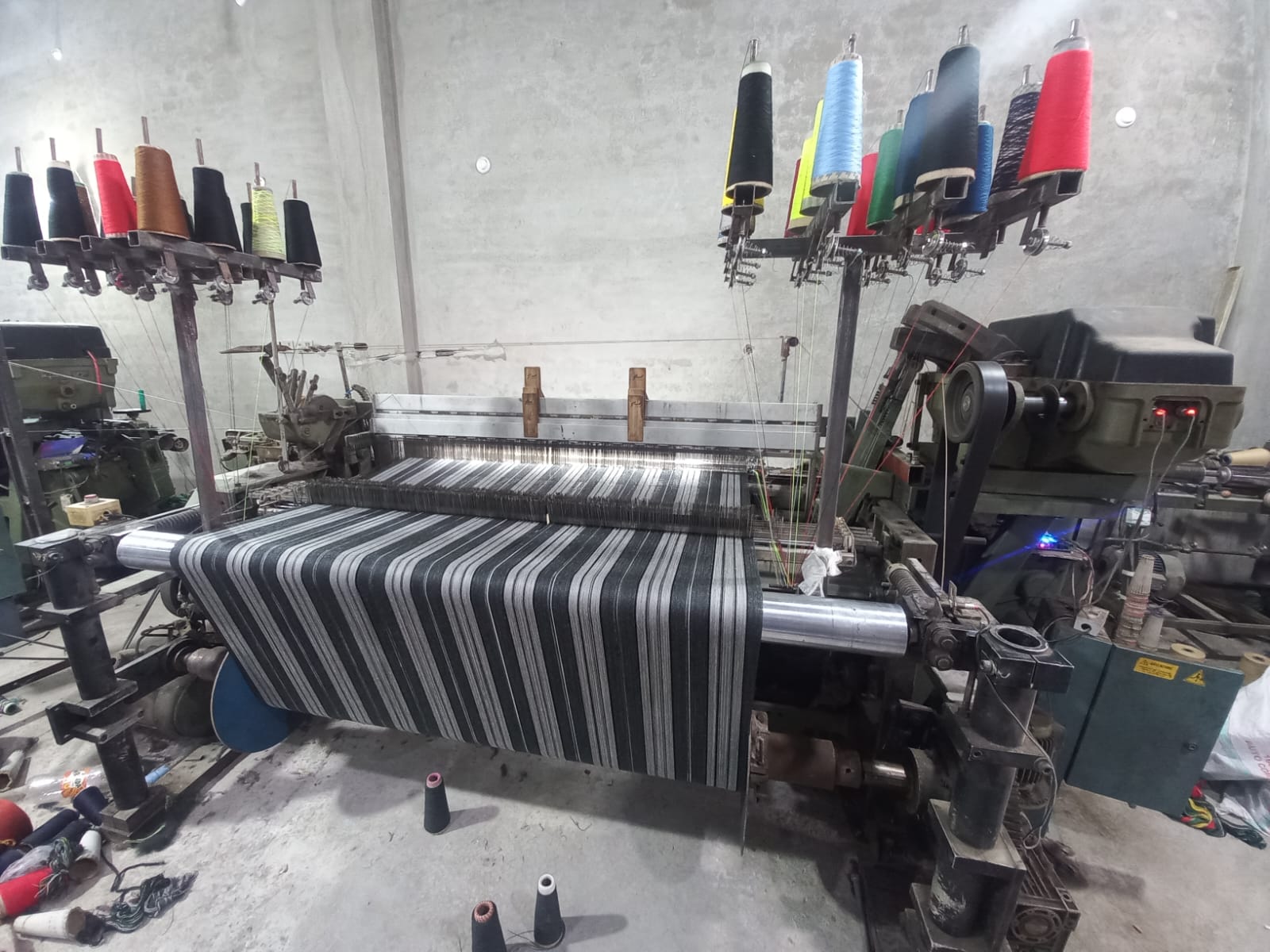
A tartan is a woven fabric pattern made of intersecting horizontal and vertical stripes in multiple colors. These patterns create a distinctive checkered design that repeats across the fabric.
While tartans are strongly associated with Scotland, Ireland has also adopted tartans as a way to represent regional identity. Instead of clan tartans, Ireland developed county tartans, each designed to reflect a specific county’s landscape, culture, and heritage.
These tartans are considered universal designs, meaning they can be worn by anyone who feels a connection to that county. Many people wear county tartans in kilts to celebrate their ancestry or show pride in their Irish roots.
The History of Irish Tartans
Although tartan fabrics have existed for centuries, the use of tartans in Ireland has evolved over time.
Historical textile discoveries suggest that patterned fabrics similar to tartans were worn in parts of Ireland long before they became associated with modern kilts. However, Ireland traditionally favored solid-colored garments, particularly the famous saffron-colored kilt worn by Gaelic warriors and cultural groups.
During the Celtic cultural revival of the late 19th century, interest in traditional Irish clothing and heritage grew significantly. This revival helped reintroduce the kilt as a symbol of Irish identity.
The concept of Irish county tartans is relatively modern. Many of these tartans were created during the late 20th century so that people of Irish descent around the world could celebrate their heritage through regional designs.
Today, county tartans allow individuals to connect with their ancestral homeland while wearing traditional garments such as Irish kilts.
Irish Tartan Colors and Their Meanings
Like many cultural textiles, tartans often include colors that reflect symbolism and heritage. Irish county tartans frequently use colors inspired by the landscapes and history of Ireland.
Green – The Emerald Landscape
Green is the most recognizable color associated with Ireland. It symbolizes the country’s rolling hills, lush countryside, and deep connection to nature.
Many Irish county tartans include green as a dominant color to reflect this national identity.
Gold – Celtic Heritage
Gold or yellow threads often represent Ireland’s rich artistic traditions and ancient Celtic culture. These colors are associated with creativity, heritage, and historical pride.
Blue – Loyalty and the Sea
Blue symbolizes Ireland’s long maritime history and the surrounding Atlantic Ocean. It also represents loyalty and strength.
Red – Courage and Strength
Red threads are commonly used to symbolize bravery, resilience, and the enduring spirit of the Irish people.
Black – Endurance and Tradition
Black often provides contrast in tartan patterns while symbolizing resilience and the enduring strength of Irish culture.
Popular Irish County Tartans
Many counties in Ireland now have their own tartan designs, each reflecting local heritage and landscape.
Here are a few well-known examples:
County Cork Tartan
This tartan features strong greens and gold tones representing Cork’s fertile farmland and historic significance.
County Kerry Tartan
Inspired by Kerry’s mountains and coastal scenery, this tartan often includes greens and deep blues.
County Galway Tartan
Galway’s tartan reflects the rugged landscapes and Atlantic coastline of western Ireland.
County Clare Tartan
This tartan includes a mix of greens, blues, and reds representing the county’s history and coastal environment.
County Dublin Tartan
Dublin’s tartan combines traditional colors with a modern design reflecting the county’s historical and cultural importance.
These tartans are often worn proudly by individuals with family ties to those regions.
How to Find Your Irish County Tartan
Finding your county tartan is an exciting step in exploring your heritage. Here are a few ways to identify the tartan connected to your ancestry.
Research Your Family Origins
Start by discovering which county your ancestors came from. Genealogy records, family documents, and heritage websites can help trace your family roots back to Ireland.
Explore County Tartan Registries
Many Irish tartans have been officially registered in tartan databases. These records show the colors, patterns, and symbolism associated with each design.
Choose a Tartan That Represents Your Heritage
Once you know your ancestral county, you can select a tartan that reflects your family’s origins.
Even if you don’t know your exact county, many people choose tartans simply because they feel connected to the region or its culture.
How to Style an Irish Kilt with County Tartans
An Irish kilt featuring a county tartan can be styled in both traditional and modern ways, making it suitable for formal events as well as casual occasions.
Traditional Kilt Outfit
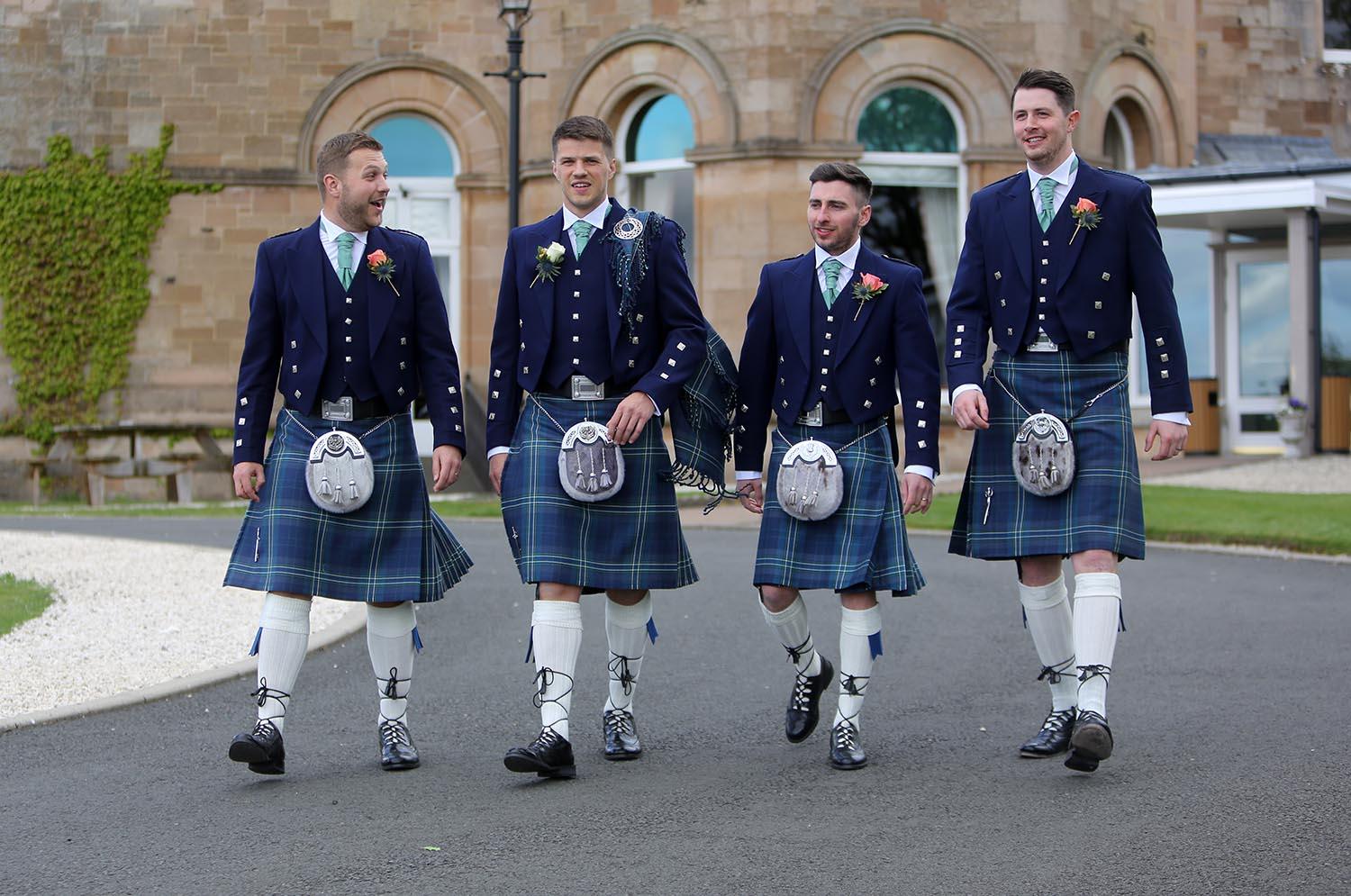
A classic Irish kilt outfit typically includes several traditional elements that create a refined and ceremonial appearance. These usually include a kilt jacket, a sporran (decorative pouch) worn at the front of the kilt, kilt hose with flashes, and traditional footwear such as ghillie brogues.
This traditional style is often worn at ceremonies, parades, cultural celebrations, and heritage events, where the full Highland dress highlights the cultural significance of the tartan.
Casual Styling
For a more relaxed and modern look, Irish kilts can also be styled in a simpler way. Many people choose to pair their kilt with a button-down shirt, casual boots or shoes, and a leather belt. This creates a comfortable outfit that still maintains the unique character of the tartan.
Kilts have also become increasingly popular in modern fashion. If you’re interested in how kilts are evolving beyond traditional wear, you can read more about how Irish and Scottish kilts are becoming modern statement pieces in men’s fashion.
Wearing Irish County Tartans at Weddings
Irish county tartans are also becoming a popular choice for wedding attire, especially for couples who want to celebrate their Irish heritage in a meaningful way.
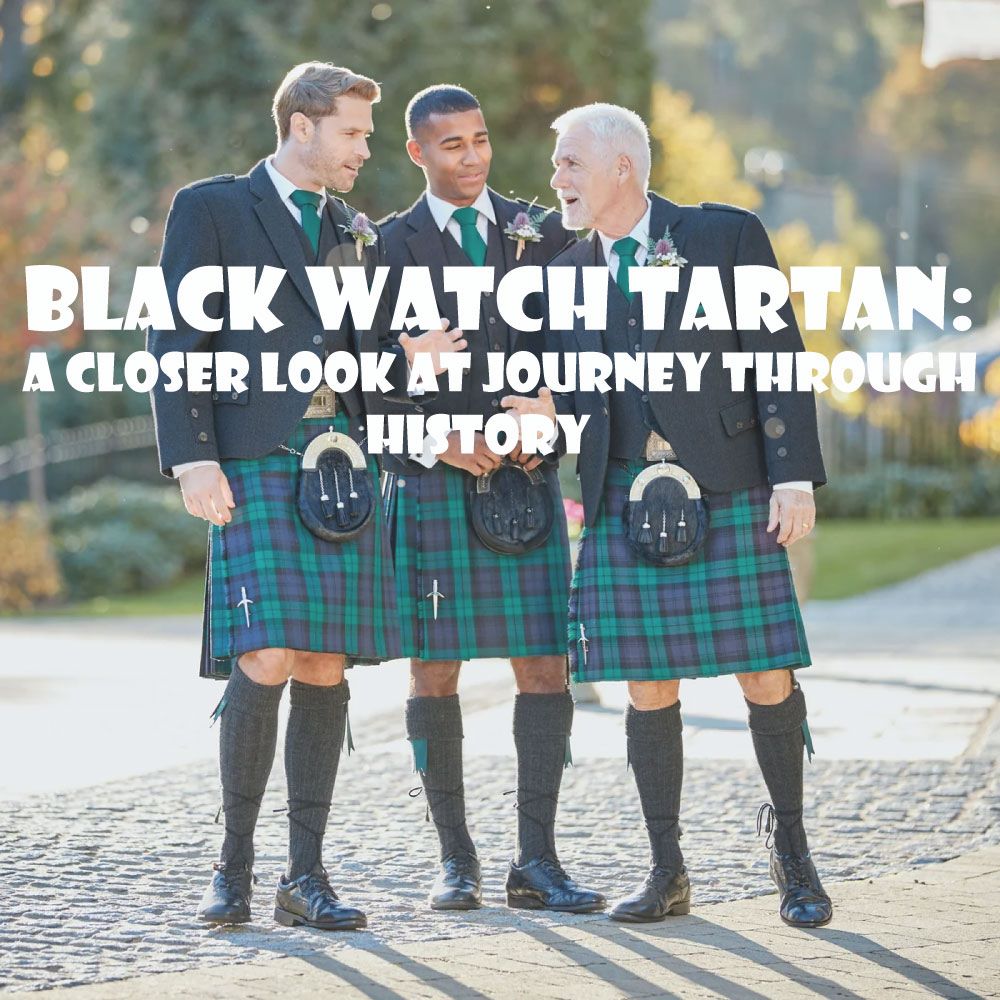
A groom wearing a tartan Irish kilt creates a distinctive and elegant wedding look. Many grooms choose a tartan that represents their ancestral county, adding a personal and symbolic connection to the ceremony.
Wedding parties often coordinate their outfits with matching tartans for groomsmen, creating a cohesive and visually striking style for the celebration.
Kilts can be paired with formal jackets, dress sporrans, and traditional accessories to create a sophisticated wedding outfit that stands out from conventional suits. If you want to understand the cultural significance behind this tradition, you can also explore whether Irish people traditionally wear kilts at weddings and special occasions.
Product Recommendations


Frequently Asked Questions
1. What is an Irish county tartan?
An Irish county tartan is a patterned fabric design created to represent a specific county in Ireland. Each tartan uses unique color combinations inspired by regional symbols and landscapes.
2. How do I find my Irish county tartan?
You can find your tartan by identifying your ancestral county in Ireland through genealogy research or family history and then looking for that county’s official tartan design.
3. Can anyone wear an Irish county tartan?
Yes. Unlike Scottish clan tartans, Irish county tartans can be worn by anyone with heritage or connections to that county.
4. When should you wear an Irish kilt?
Irish kilts are commonly worn at weddings, cultural festivals, St. Patrick’s Day celebrations, heritage events, and formal gatherings celebrating Irish culture.
5. Are Irish kilts different from Scottish kilts?
Yes. Irish kilts often feature saffron colors or county tartans, while Scottish kilts are traditionally associated with specific clans. If you want a deeper explanation, you can explore the key differences between Irish and Scottish kilts, including their history, tartans, and cultural significance.
Conclusion
Irish county tartans offer a beautiful way to celebrate heritage and regional identity. By understanding the symbolism behind tartan colors and learning about the counties they represent, you can choose a design that reflects your connection to Ireland.
Whether worn at festivals, weddings, or cultural events, a county tartan kilt allows you to proudly showcase your Irish roots.
Wear Your County with Pride
Your Irish heritage is more than history its identity. Irish county tartans give you a way to proudly display where your family comes from and keep those traditions alive.
Related Products