Irish Kilt vs Scottish Kilt – Key Differences Explained (2026 Guide)


Kilts are among the most recognizable garments in traditional dress. While Irish and Scottish kilts may appear similar, they differ in origin, symbolism, and cultural role.
The Scottish kilt has deep roots in Highland tradition in Scotland, historically associated with clans and family heritage. The Irish kilt emerged later as a symbol of national identity in Ireland. Understanding these distinctions helps you appreciate not just how they look, but what they represent.
This guide explores their history, materials, significance, accessories, modern styling, and variations giving you the knowledge to choose the right kilt with confidence.
Scottish kilts traditionally represent clan and family heritage through unique tartan patterns, while Irish kilts symbolize national identity and cultural pride, often appearing in saffron shades or county tartans.
Quick Comparison: Irish vs Scottish Kilts
| Feature | Scottish Kilt | Irish Kilt |
|---|---|---|
| Cultural Origin | Highland tradition | National revival symbol |
| Pattern | Clan tartan | Solid saffron or county tartan |
| Symbolism | Family & clan identity | National pride |
| Traditional Role | Heritage dress | Ceremonial expression |
| Modern Use | Formal & cultural wear | Ceremonial & symbolic wear |
Both kilts share structure and craftsmanship, but their meanings diverge.
Historical Origins
Scottish Kilt Tradition
The Scottish kilt evolved from the belted plaid worn in the Highlands. Over time, it became a tailored garment representing clan identity, with each clan distinguished by its own tartan. The kilt served as a visual declaration of lineage, belonging, and regional identity, eventually becoming central to ceremonial dress.
Irish Kilt Development
Irish kilts emerged as part of cultural revival movements. Rather than representing individual families, they symbolized national pride and unity. Traditional Irish kilts were often saffron-colored, reflecting historic symbolism, though modern variations sometimes incorporate county-specific tartans. Their purpose is primarily expressive and ceremonial rather than genealogical.
Cultural Significance
The distinction between the kilts lies in meaning rather than construction:
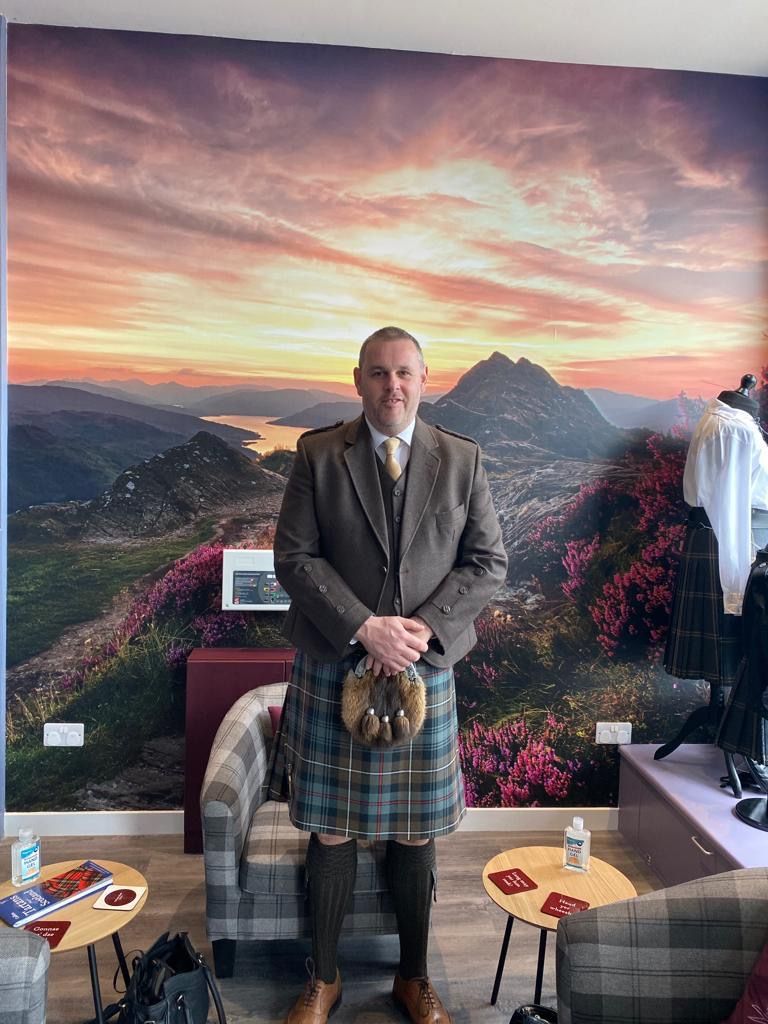
Scottish Kilts: Represent clan heritage and ancestry. Worn at formal and ceremonial events, they visually communicate lineage and family identity.
Irish Kilts: Symbolize national pride and cultural unity. Worn at ceremonial and cultural celebrations, they emphasize symbolism over lineage.
Both garments are identity markers, but one reflects family, the other nation.
Materials and Construction
Structurally, Irish and Scottish kilts are very similar:
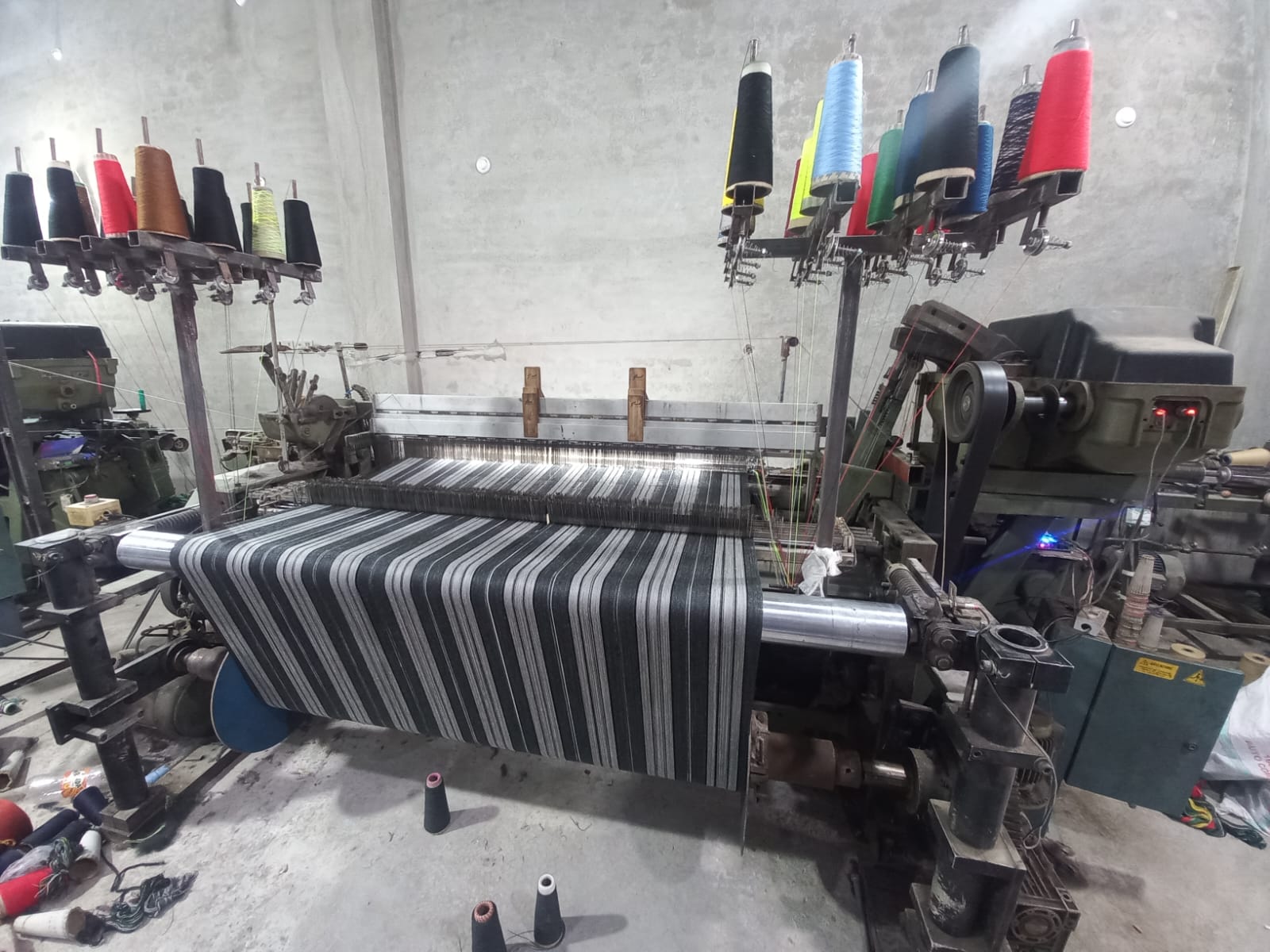
- Fabric: Traditionally wool or wool blends for durability and drape
- Back pleats: Allow movement while maintaining form
- Front apron: Flat panel for aesthetics
- Waistband: Structured for stability
Differences primarily appear in pattern and color. Modern kilts, regardless of origin, share consistent construction quality.
Visual and Design Differences
Scottish Kilts:
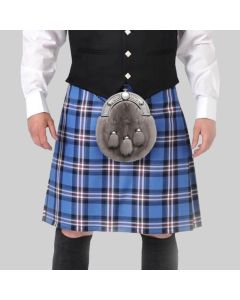
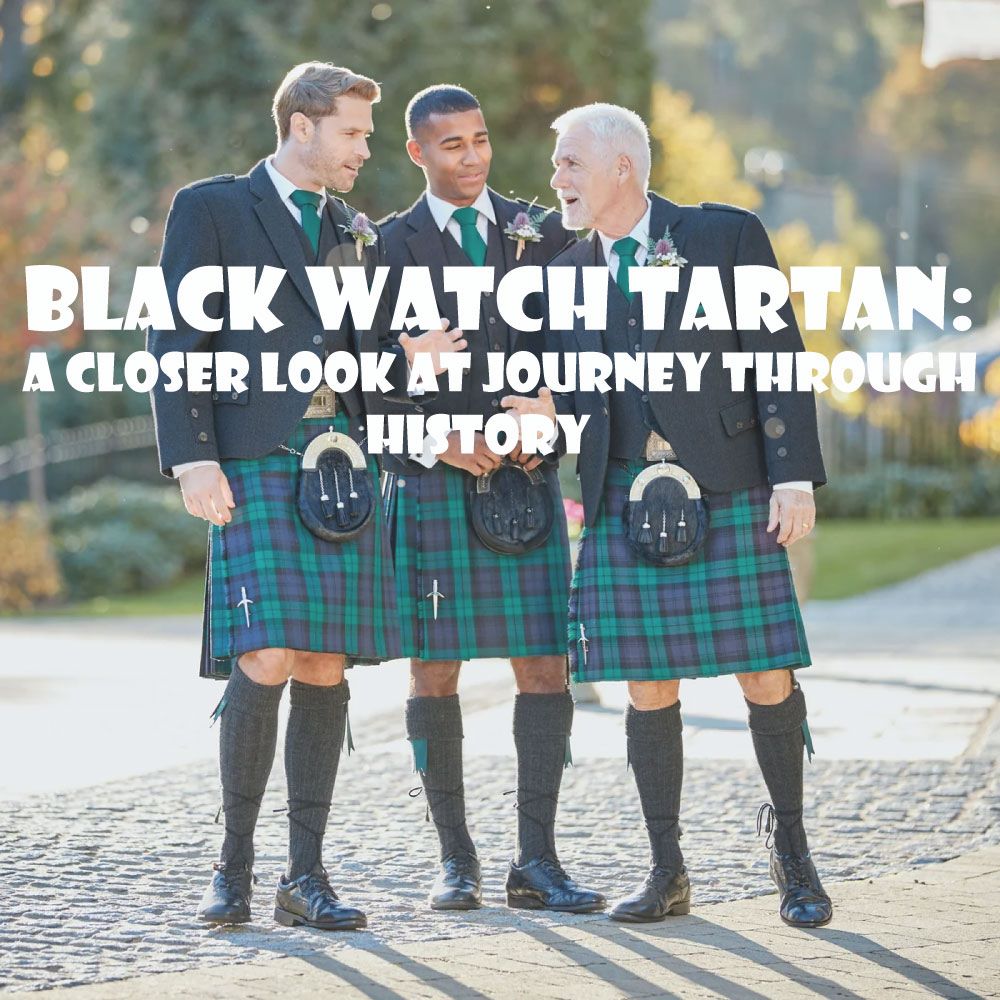
- Complex clan tartans
- Multi-color patterns
- Represent familial lineage
Irish Kilts:
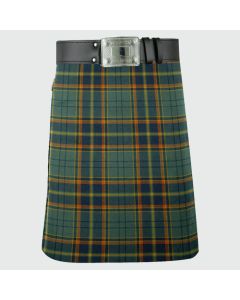
- Typically saffron or solid-colored
- County tartans in modern versions
- Focus on symbolic simplicity
In essence: Scottish kilts communicate heritage; Irish kilts communicate national identity.


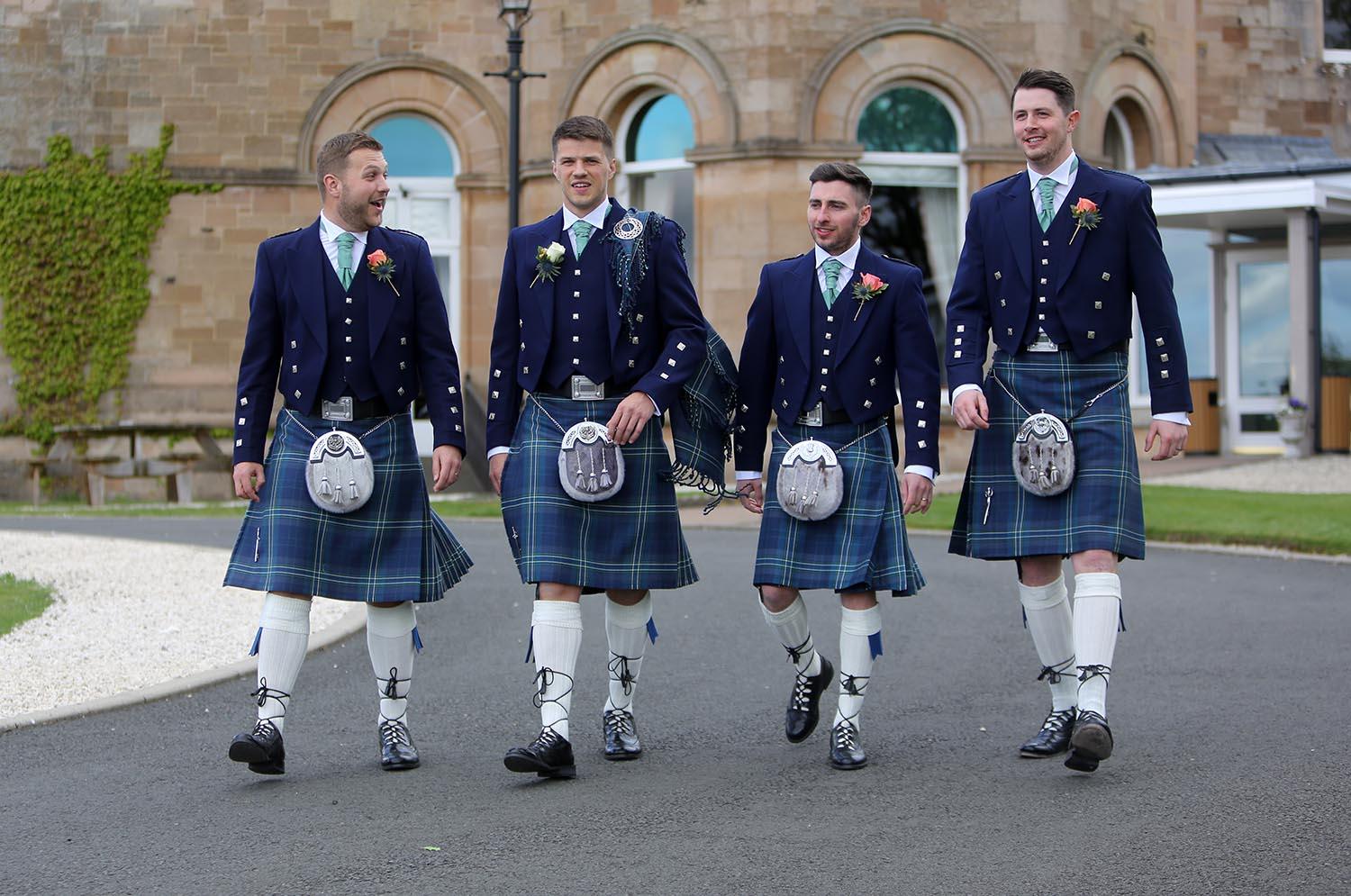
Traditional Accessories & Complete Outfit
Kilts are rarely worn alone. Traditional accessories are both functional and symbolic:
- Sporran: Pouch worn at the front for practicality and balance
- Kilt pin: Decorative and functional
- Belt: Adds structure and visual weight
Upper Garments: Jackets & Tartan Waistcoats
A kilt outfit is typically completed with a structured upper garment.
Tartan Waistcoat:
- Adds structure and visual balance to the pleated kilt
- Complements Scottish clan tartans for formal ensembles
- Introduces depth to Irish kilts, emphasizing ceremonial importance
- Bridges tradition with modern styling while accommodating regional tartan influences, including designs from Wales
Jackets:
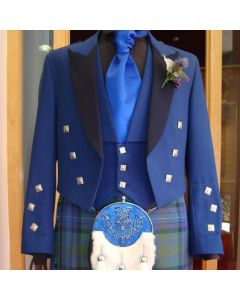
- Provide structure to the overall silhouette, balancing the volume of the pleated kilt
- Traditionally tailored to sit higher at the waist so the kilt apron and pleats remain visible
- Commonly paired with a tartan waistcoat for formal and ceremonial Highland dress in Scotland
- Signal formality, making them appropriate for weddings, official ceremonies, and cultural events
How to Choose Between Irish and Scottish Kilts
Your choice depends on heritage, occasion, and personal preference:
- Scottish Kilt: Best for representing clan heritage, formal events, or traditional ceremonies
- Irish Kilt: Ideal for national pride, symbolic or ceremonial occasions, or simpler styling
Both options are authentic; the right kilt reflects your connection and purpose.
Modern Uses & When to Wear
Kilts are versatile and relevant in modern settings:
- Weddings and formal events
- Cultural festivals and parades
- Heritage gatherings
- Contemporary fashion ensembles
Their adaptability ensures they remain traditional yet modern.
How to Style Irish & Scottish Kilts
- Base Garment: Select your kilt type based on tradition or preference.
- Essential Accessories: Sporran, kilt hose, kilt pin, belt foundational for authenticity.
- Formal Styling: Coordinated jacket or tartan waistcoat adds structure and elegance.
- Modern Styling: Simplified accessories, contemporary tops, and practical footwear allow comfortable, everyday wear.
A tartan waistcoat bridges historical formality with modern aesthetics, making it a versatile element of both Irish and Scottish kilt outfits.
Alternative Styles and Modern Variations
Beyond tradition, contemporary options allow for personal interpretation:
- Utility kilts: Practical, casual, every day wear
- Regional tartan inspirations: Including Welsh designs
- Hybrid outfits: Combining traditional and modern elements
These variations demonstrate how the kilt continues to evolve while maintaining cultural roots.
Final Thoughts: One Garment, Two Meanings
Irish and Scottish kilts share craftsmanship, structure, and visual impact, yet their cultural meanings differ:
- Scottish kilts → Clan and family heritage
- Irish kilts → National pride and symbolism
Choosing a kilt is about more than style it’s about wearing a story, a tradition, and an identity.
FAQ:
- Q: What is the main difference between Irish and Scottish kilts?
- A: Scottish kilts traditionally represent clan heritage and family lineage, while Irish kilts symbolize national identity and cultural unity.
- Q: Are Irish kilts as traditional as Scottish kilts?
- A: Scottish kilts have deeper historical roots in Highland tradition in Scotland, while Irish kilts developed later through cultural revival movements in Ireland.
- Q: Do Irish kilts use tartan patterns like Scottish kilts?
- A: Traditional Irish kilts are often saffron-colored, though modern versions may include county tartans. Scottish kilts are strongly associated with clan tartans.
- Q: Can anyone wear an Irish or Scottish kilt?
- A: Yes. Kilts are worn today for cultural appreciation, ceremonies, weddings, and fashion, regardless of heritage.
- Q: What accessories are worn with a kilt?
- A: A complete outfit may include a sporran, kilt hose, kilt pin, belt and buckle, and upper garments such as a tartan waistcoat or jacket.
Explore Kilts & Complete Your Look
Whether you’re drawn to heritage tartans, symbolic Irish designs, or modern adaptations, the right kilt reflects tradition and personal identity. Browse our collection to find the kilt that fits your story and complete your ensemble with confidence.
Related Products