Kilts for Men: A Complete Style & Buying Handbook (2026)


Kilts are no longer limited to heritage ceremonies or Highland gatherings. In 2026, modern men are confidently choosing kilts for weddings, formal dinners, festivals, cultural celebrations, and even every day wear.
At Kilt Outfit, we’ve seen a clear shift in buyer behavior. First-time customers are no longer asking, “Can I wear a kilt?” Instead, they ask, “Which kilt suits my event and personal style best?”
Today’s market offers both traditional 8-yard tartans and modern designs such as utility, hybrid, and leather kilts. The key isn’t just tradition it’s understanding fabric, fit, formality, and purpose.
As interest continues to grow, many buyers also want to understand how kilts fit into current menswear trends. If you're exploring that, read our detailed guide on Are Kilts in Fashion for Men?
Understanding the Main Styles of Kilts for Men
Choosing the right style is the foundation of making the right purchase.
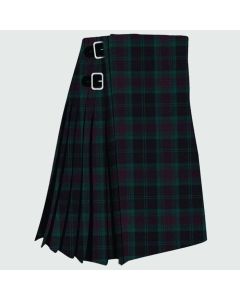
Traditional 8-Yard Kilts
Best for: Weddings, Burns Night, formal events
Formality level: High
The 8-yard kilt is the most traditional construction, offering full pleating and structured drape. From our experience assisting formal-event customers, this remains the preferred option for grooms and ceremonial occasions because of its authenticity and presence.
Utility Kilts
Best for: Festivals, casual outings, travel
Comfort level: High
Utility kilts are especially popular among first-time buyers. Many customers prefer them for summer events because cotton or poly-cotton blends feel lighter and more breathable than wool.
They combine modern practicality with traditional inspiration. If you're considering budget-conscious options, explore our guide on Affordable Utility Kilts Under £100.
Hybrid Kilts
Who they suit: Men wanting tradition with a contemporary edge
Hybrid kilts blend tartan panels with solid fabrics, creating a distinctive look. They are well-suited for semi-formal gatherings and fashion-forward styling.
Leather Kilts
Best for: Statement styling and bold fashion
Leather kilts provide structure and strong visual impact. Heavier and warmer than fabric kilts, they are better suited for cooler climates or confident event styling.
Fabric Breakdown – What Makes a Kilt Feel Premium?
Fabric determines comfort, drape, structure, and long-term durability. However, a truly premium kilt is defined not only by fabric choice, but also by construction quality and tailoring precision.
Here’s what separates entry-level kilts from premium ones.
Wool (Heavy, Medium, Light Weight)
Traditional kilts were crafted from tartan wool, and it remains the gold standard for formal wear.
- Heavy Wool: Ideal for winter ceremonies and colder climates. Offers strong pleat memory and structured drape.
- Medium Wool: Balanced option suitable for most UK weather conditions.
- Light Wool: Comfortable for indoor or mild-weather events while maintaining traditional structure.
Premium wool kilts use tightly woven fabric that holds pleats sharply and maintains shape over time. Higher fabric weight (GSM) improves structure and durability, which is why formal kilts rely on quality wool construction.
Polyviscose
- Lightweight and practical
- Easier to maintain than wool
- Suitable for occasional or first-time wear
Polyviscose offers a wool-like appearance at a more accessible level. It is commonly chosen for semi-formal events and for buyers exploring kilts for the first time.
Cotton
- Breathable and comfortable
- Suitable for extended wear
- Common in modern utility kilts
Cotton kilts are ideal for festivals, travel, and casual settings. They provide flexibility and airflow, making them practical for warmer conditions.
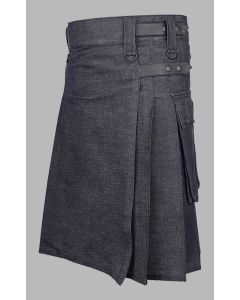
Denim
- Structured and durable
- Casual, contemporary appearance
- Suitable for everyday styling and outdoor activities
Denim kilts combine rugged durability with modern aesthetics. They are popular for casual wear, hiking, and lifestyle use where resilience matters as much as style.
Leather
- Durable and highly structured
- Warmer and heavier than fabric kilts
- Designed for bold styling
Leather kilts create strong visual impact and maintain form exceptionally well. Premium leather construction depends on reinforced stitching and high-quality hardware to ensure longevity.
Construction Quality – The Hidden Factor behind a Premium Kilt
Fabric alone does not define quality. Construction plays an equally important role.
A well-made kilt should feature:
- Knife-edge pleating for clean structure and uniform drape
- Proper pleat depth and alignment for balanced movement
- Reinforced stitching at stress points to prevent wear
- Durable leather buckle straps with metal hardware
- Balanced weight distribution for comfort and structure
At Kilt Outfit, each kilt is tailored to waist, hip, and length measurements to ensure accurate fit and structural integrity. Custom pleating, stitched detailing, and hardware selection all contribute to a kilt that not only looks refined but maintains its shape over time.
Choosing the right fabric should always consider climate, frequency of use, and the level of formality required.
Choosing the Right Kilt Based on Occasion
Different occasions require different levels of formality.
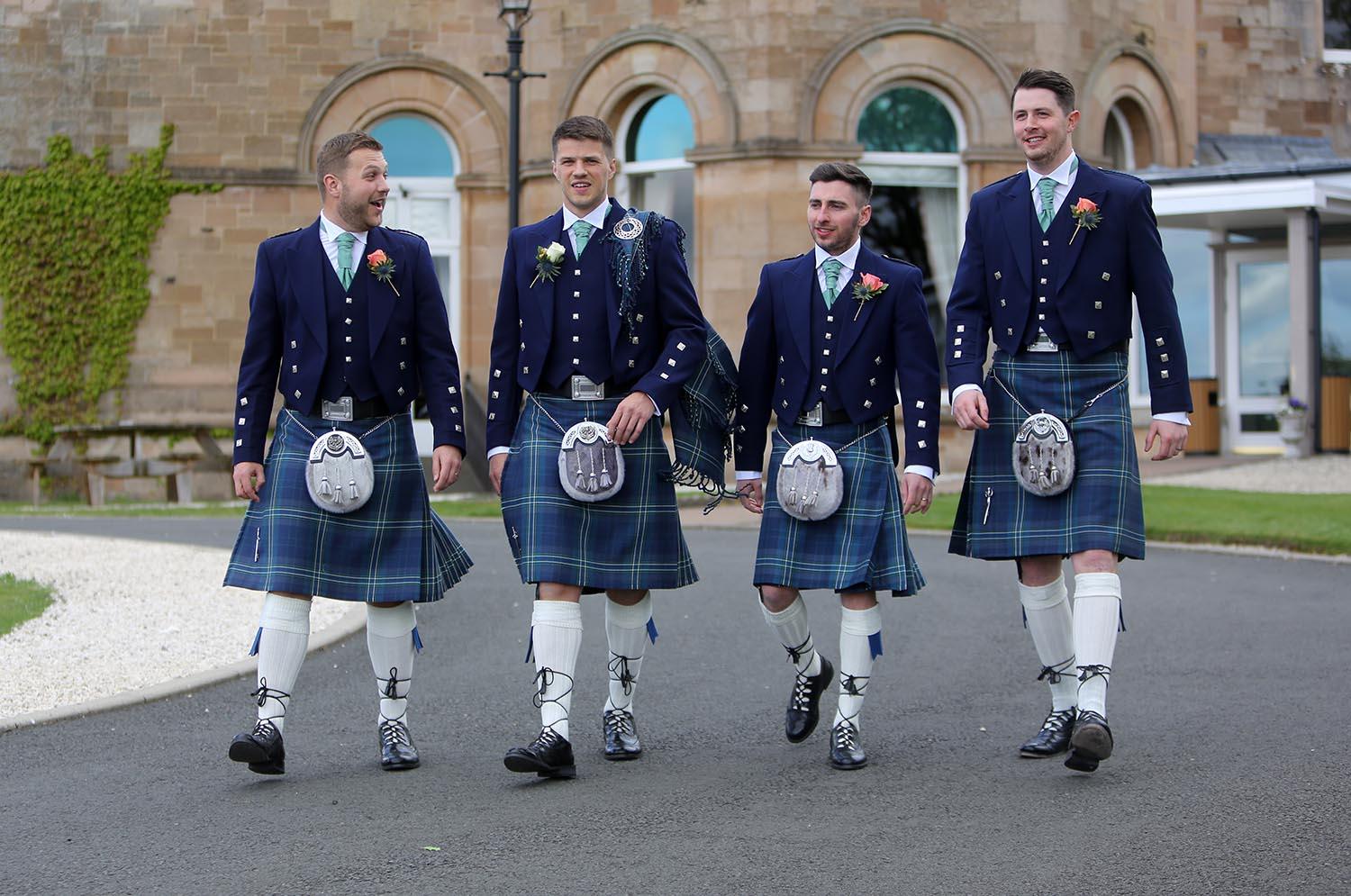
- Wedding: Traditional wool kilt styled with coordinated formal accessories
- Burns Night or Formal Dinner: Classic tartan with structured jacket and sporran
- Festival: Utility or hybrid kilt for comfort and movement
- Casual Street Wear: Cotton or hybrid styles paired with boots
- Outdoor or Work Use: Durable utility kilts with practical construction
Matching your kilt to the event ensures a polished and confident appearance.
For a deeper breakdown of recommendations by event type, explore our full guide on Kilts by Occasion.
How to Choose the Right Tartan or Color
Many buyers hesitate because they believe tartans are restricted by heritage.
The reality: you do not need Scottish ancestry to wear tartan.
- Clan Tartans: Ideal if you have a specific clan connection
- Universal Tartans: Designed for open wear without affiliation
- Modern Solid Colours: Black, grey, and navy remain versatile across formal and casual settings
Choose based on occasion, coordination, and personal preference. Confidence always carries more impact than strict tradition.
How to Measure for the Perfect Fit
Correct measurement prevents most sizing issues.
Step 1: Measure at the navel kilts sit higher than trousers.
Step 2: Measure the seat around the widest part of the hips.
Step 3: Measure the length from navel to the middle of the knee.
Quick check: When kneeling, the kilt should lightly touch the floor.
Accurate measuring ensures proper drape, movement, and comfort.
Common Buying Mistakes to Avoid
Over time, we’ve observed recurring mistakes among first-time buyers:
- Measuring at trouser waist instead of navel
- Choosing heavy wool for warm-weather events
- Selecting overly casual styles for formal ceremonies
- Over-accessorizing informal outfits
- Ignoring fabric weight and climate suitability
Avoiding these ensures your kilt enhances your overall presentation rather than distracting from it.
Essential Accessories Checklist
Accessories complete the look but should always match the occasion.
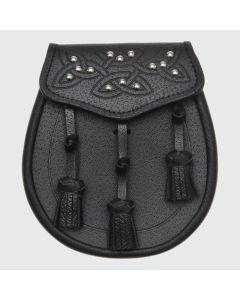
- Sporran – Worn at the front; formal versions suit ceremonies, while casual leather styles pair well with utility kilts.
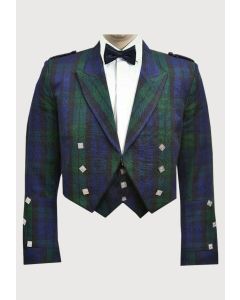
- Jacket – Argyll jackets are suitable for semi-formal wear; Prince Charlie jackets are ideal for formal evening events.
- Kilt Shoes – Ghillie brogues are traditional for formal settings, while boots complement casual styles.
- Flashes – Decorative strips worn with kilt hose that add coordinated colour detail.
- Kilt Pin – Adds weight to the front apron and provides subtle finishing detail.
For detailed styling combinations including sporrans, jackets, hose, and footwear, explore our complete Accessories Guides.


Related Guides
To deepen your understanding, you may also find these guides helpful:
- How to Style a Welsh Kilt
- Top Colors & Patterns That Sell Most
- Where to Buy Authentic Black Watch Kilt Online
Frequently Asked Questions
Can I wear a kilt if I’m not Scottish?
Yes. Kilts and many tartans are available for open wear. Universal tartans and modern styles are suitable for anyone.
How long should a kilt be?
A properly fitted kilt should fall to the middle of the knee. When kneeling, it should lightly touch the floor.
Are kilts suitable for summer?
Yes. Lightweight wool, polyviscose, and cotton utility kilts are comfortable in warmer conditions.
What is the difference between a 5-yard and 8-yard kilt?
An 8-yard kilt offers fuller pleating and more traditional structure, while shorter-yard constructions may feel lighter and less formal.
Do I need full accessories for every occasion?
No. Formal events require coordinated accessories, while casual settings can be styled more minimally.
Ready to Find Your Perfect Kilt?
Explore our full collection of kilts for men and discover traditional and modern styles crafted for structure, comfort, and lasting comfort.
Whether you’re preparing for a wedding, attending a formal celebration, or embracing contemporary kilt fashion, choosing thoughtfully ensures confidence in every step.
Browse our collection today and find the kilt that reflects your occasion and your personality perfectly.
Related Products