Kilts for Men by Occasion: Wedding, Formal & Everyday Styles Explained


Choosing a kilt is rarely about pattern alone. For many men in the United Kingdom, the decision begins with a situation a wedding invitation, a formal gathering, or the intention to own a garment that can be worn with confidence more than once. The occasion determines how structured the kilt should be, how it should be styled, and what level of formality feels appropriate.
First-time wearers often look for reassurance that their choice will strike the right balance between tradition and style. They want to feel confident that they’ll fit in without standing out for the wrong reasons. Meanwhile, regular kilt enthusiasts focus on refinement, versatility, and long-term value, selecting pieces that can transition seamlessly from celebratory events to everyday occasions. In both cases, one principle remains constant: choosing a kilt with the occasion in mind makes the rest of the styling from jacket to shoes almost effortless, ensuring that the wearer looks polished, intentional, and comfortable.
Beyond formality, the occasion also influences how a kilt can reflect personal style. For weddings and ceremonial events, traditional cuts and classic tartans convey respect and heritage, while modern interpretations allow for subtle individuality through fabric choices, pleat styles, or accessory pairings. For every day wear, comfort, durability, and versatility take precedence, giving men the freedom to express their personality while still honoring the garment’s cultural significance. Understanding the relationship between occasion and kilt style ensures that each choice feels intentional, turning what might seem like a simple outfit into a statement of confidence and tradition
How to Choose the Right Kilt
A confident selection is guided by four practical considerations: occasion, presentation, experience level, and long-term use.
Occasion Determines Formality
The setting establishes the level of structure required. Ceremonial environments call for traditional presentation and composed styling, while everyday use allows greater flexibility. Defining where the kilt will be worn simplifies every decision that follows.
Presentation Influences Appearance and Comfort
Fabric weight, structure, and fit shape both how the kilt moves and how it is perceived. Heavier construction supports a refined silhouette suited to formal settings. Lighter construction prioritizes ease of movement and extended comfort.
Experience Level Shapes the Safest Choice
First-time wearers often benefit from universally appropriate styles that perform well across formal settings. Experienced wearers typically select with greater specificity.
Long-Term Value Matters
Some purchases are occasion-specific, while others are intended for repeated use. Considering versatility before selecting a style ensures continued relevance beyond a single event.
When these factors align, the appropriate category becomes clear and the decision feels deliberate rather than uncertain.
Kilts by Occasion
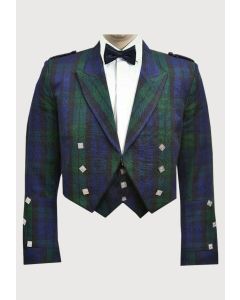
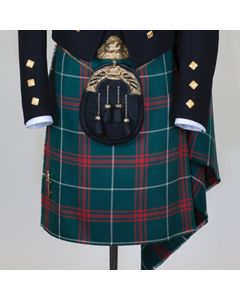
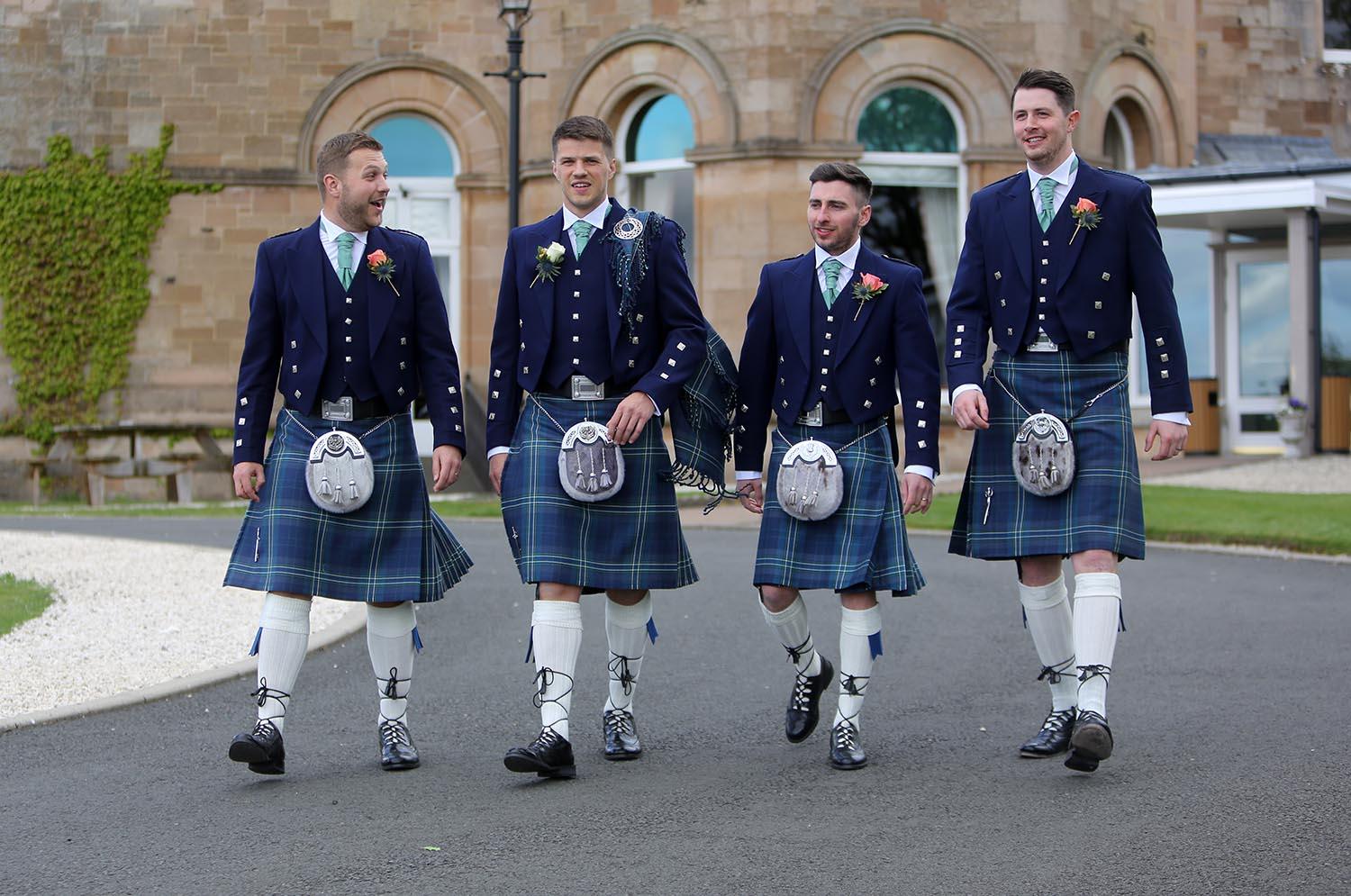
Wedding Kilts Structured and Ceremonial
Weddings demand refinement and coordination. A traditional tartan kilt styled with formal structure provides the presence expected in ceremonial environments and photographs exceptionally well.
Why this choice works
- Clear, structured silhouette
- Appropriate ceremonial weight
- Timeless visual character
Who typically selects this style
Grooms, groomsmen, and guests attending formal ceremonies.
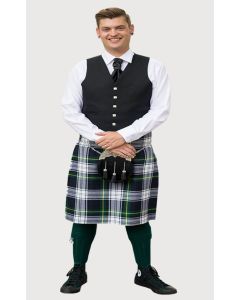
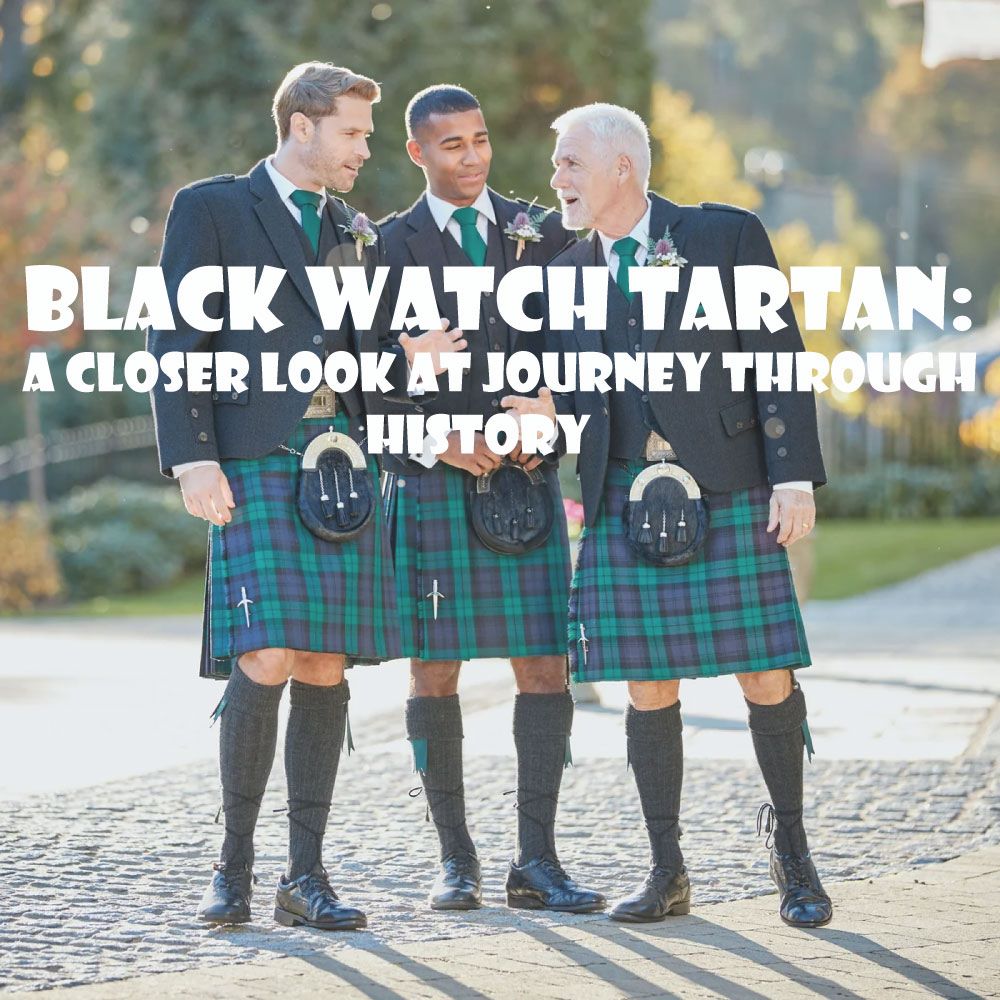
Formal Event Kilts Balanced Tradition
Formal gatherings often require presence without full ceremonial weight. A traditionally styled kilt offers versatility across cultural events and formal occasions.
Why this choice works
- Refined without appearing elaborate
- Suitable across multiple formal settings
- Comfortable for extended wear
Who typically selects this style
Men seeking a garment that transitions naturally between events.
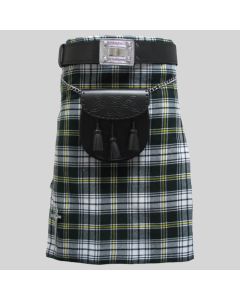
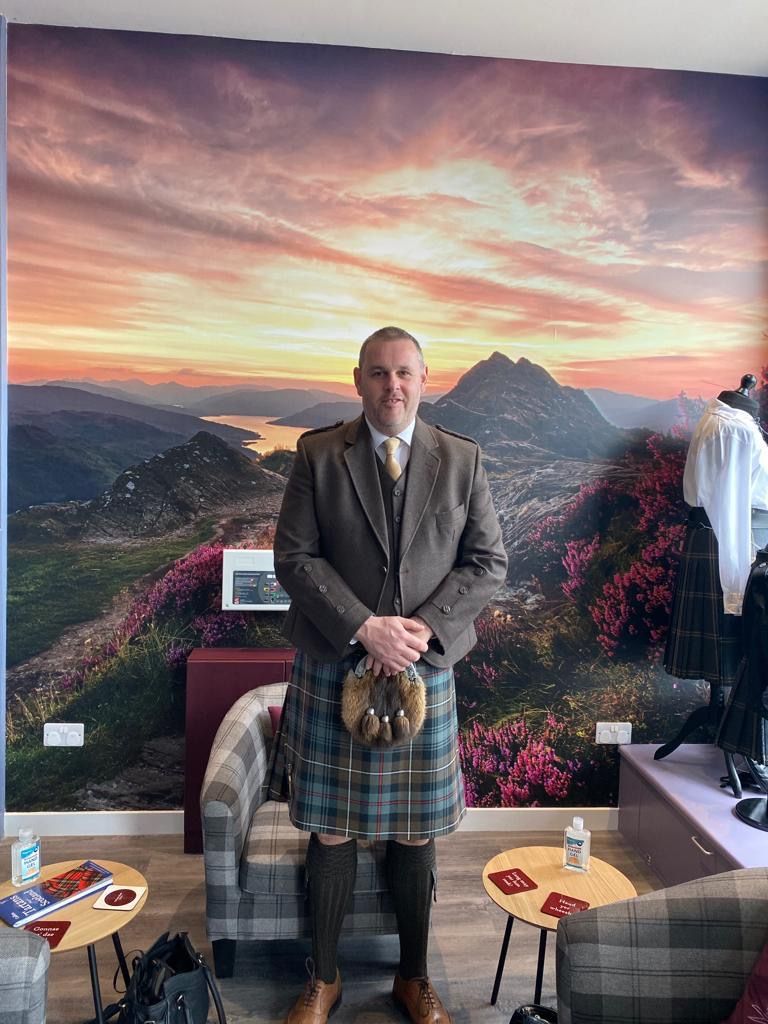
Everyday Kilts Practical and Adaptable
For regular wear, priorities shift toward comfort, durability, and ease of movement. Everyday kilts integrate tradition into modern use without requiring ceremonial structure.
Why this choice works
- Greater flexibility and mobility
- Practical for repeated wear
- Accessible entry point for new wearers
Who typically selects this style
First-time buyers and experienced wearers seeking comfort-focused options.
Those who wish to explore detailed guidance on sizing, fabric construction, and technical buying considerations may also find value in the comprehensive resource: How to Choose the Perfect Kilts for Men – Complete Buyer’s Guide (2026)
Essential Accessories That Complete the Look
A kilt’s presentation is shaped not only by the garment itself but by the precision of its accessories. The right accessories create structure, balance, and confidence appropriate to the occasion.
Kilt Shoes
Footwear anchors the overall appearance. For formal environments, structured shoes with traditional styling reinforce presence and visual balance. For every day wear, comfort and durability guide the selection. Proper footwear ensures the kilt appears intentional rather than incomplete.
Kilt Flashes
Kilt flashes provide both functional and visual purpose. They secure the hose and introduce controlled colour coordination that complements the tartan without overwhelming it. Subtle alignment with the kilt’s tones creates cohesion across the full outfit.
Kilt Buckle
The buckle serves as a focal point that communicates structure and refinement. In formal settings, a well-crafted buckle enhances ceremonial presentation. In more relaxed environments, understated design supports versatility without distraction.
When selected thoughtfully, accessories do not compete with the kilt they complete it.
How to Style a Kilt Appropriately
Styling is guided by proportion, coherence, and occasion. Each element should support the level of formality required.
Styling for Weddings
Formal environments call for coordinated structure. Jacket styling, sporran choice, footwear, and accessories should align to create composed presentation. The emphasis is refinement rather than excess.
Styling for Formal Events
Refinement with restraint is most effective. Styling should complement structure while allowing adaptability across settings.
Styling for Everyday Wear
Practicality guides styling decisions. Comfort and ease of movement take priority while preserving distinctive character.
Across all occasions, restraint enhances confidence. A balanced composition allows the garment to communicate presence naturally.
Comparison, Pros & Cons, and When to Wear
Each kilt category serves a distinct purpose defined by formality, versatility, and frequency of use. The most suitable choice depends not on preference alone, but on where and how often the garment will be worn.
Wedding Kilts Highest Formal Presence
Pros
- Strong ceremonial appearance suited to significant occasions
- Structured silhouette that photographs exceptionally well
- Timeless presentation aligned with traditional expectations
Considerations
- Limited adaptability beyond formal environments
- Heavier construction may feel less suited to casual or extended everyday use
- Typically selected for specific events rather than frequent wear
When to Wear
Weddings, formal ceremonies, traditional celebrations, and occasions where presentation carries symbolic importance.
Best suited for
Grooms, groomsmen, formal guests, and first-time wearers seeking a reliable ceremonial choice.
Formal Event Kilts Versatility with Tradition
Pros
- Balanced level of formality suitable across multiple settings
- Adaptable styling allows repeated use
- Practical long-term investment for regular formal attendance
Considerations
- Less ceremonial impact than full wedding styling
- Requires thoughtful accessory coordination to match event formality
When to Wear
Formal gatherings, cultural events, formal dinners, traditional celebrations, and occasions requiring refined presentation without full ceremonial structure.
Best suited for
Wearers seeking one kilt that performs reliably across different formal environments.
Everyday Kilts Comfort and Practical Use
Pros
- Designed for mobility and extended comfort
- Suitable for frequent wear
- Accessible entry point for new wearers
Considerations
- Reduced formality limits suitability for ceremonial environments
- Styling must remain simple to maintain visual balance
When to Wear
Casual settings, social gatherings, daily wear, and situations where comfort and practicality take priority over ceremonial presentation.
Best suited for
Regular wearers and first-time buyers seeking ease of use before investing in formal options.


A Confident Approach to Selection
Confidence develops when selection is guided by purpose rather than preference alone.
- Define where the kilt will be worn.
- Identify the level of presentation required.
- Evaluate styles within that context.
A sequential approach reduces complexity and leads to decisions that remain satisfying over time.
A well-chosen kilt should feel appropriate immediately in appearance, comfort, and confidence.
To explore occasion-appropriate selections and evaluate styles aligned with different levels of formality, suitable options can be reviewed through curated collections.
Frequently Asked Questions
- What is the best kilt for a first-time wearer?
- A versatile traditional kilt suited to formal occasions is typically the safest starting point. It provides flexibility across events while maintaining appropriate presentation.
- Can one kilt be worn for multiple occasions?
- Yes. A well-constructed traditional kilt styled appropriately can transition between weddings, formal events, and select cultural gatherings.
- How important are accessories when wearing a kilt?
- Accessories are essential to overall presentation. Footwear, flashes, and buckles provide structure, balance, and visual coherence.
- Is a heavier kilt always more formal?
- Heavier construction generally creates a more structured silhouette, which is associated with formal environments. However, appropriateness depends on the overall styling.
- How should a kilt fit properly?
- A kilt should sit naturally at the waist, hang evenly, and allow comfortable movement without shifting during wear.
Find the Right Kilt for Your Occasion
whether preparing for a wedding, formal gathering, or first purchase, explore structured options designed for proper presentation and reliable fit.
Related Products