How to Choose the Perfect Kilts for Men – Complete Buyer’s Guide (2026)


Introduction
Kilts have evolved from traditional Highland attire into a versatile garment worn for weddings, cultural events, festivals, and modern everyday style. With so many options now available — from classic tartans to contemporary utility designs — choosing the right kilt involves more than simply picking a pattern. Fit, fabric, style, and intended occasion all play an important role in how a kilt looks, feels, and performs over time.
A well-chosen kilt should provide comfort, reflect personal style, and suit the setting in which it will be worn. Whether you're buying your first kilt, preparing for a formal event, or exploring modern kilt fashion, understanding these key factors helps you make a confident decision.
This buyer’s guide walks you through the essential considerations step by step — from types and sizing to accessories and fabric selection — so you can choose a kilt that truly fits your needs and lifestyle.
Quick Decision Guide
If you want a fast way to narrow down your choice, use this simple guide:
- For weddings or formal events: Choose a traditional tartan kilt with structured fabric.
- For everyday comfort: Choose a casual or utility kilt with lightweight material.
- For a modern fashion look: Choose a hybrid or contemporary design.
- For warm climates: Choose cotton or blended fabrics.
- For traditional appearance: Choose wool fabric and full accessories.
Types of Kilts for Men
Not all kilts are the same. Understanding the main types helps you choose based on purpose, style, and comfort.
Traditional Tartan Kilts
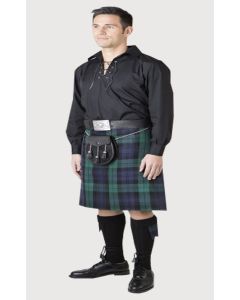
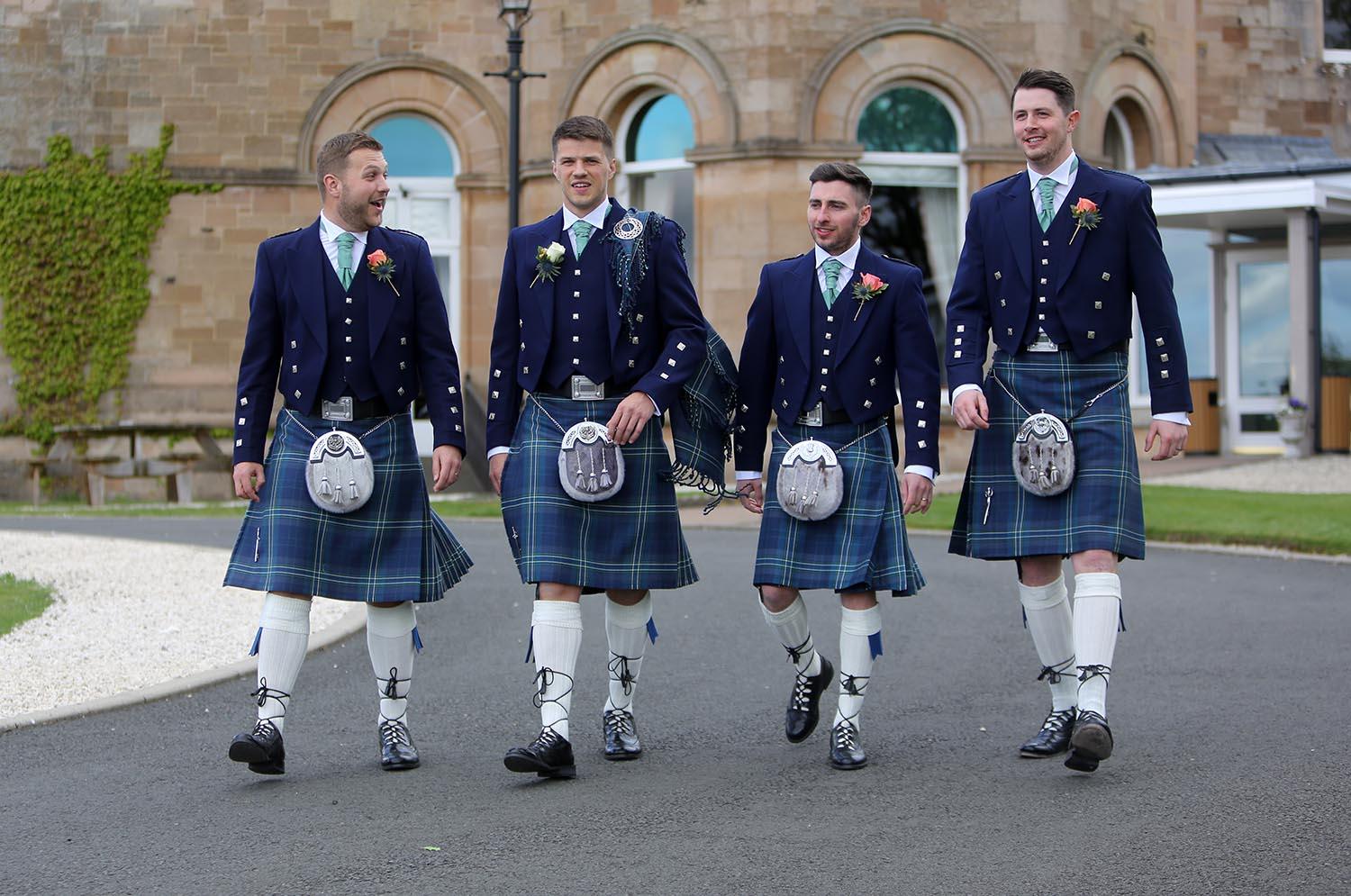
These are the classic kilts associated with heritage and ceremony. They feature structured pleating and distinctive tartan patterns that reflect tradition and identity. Traditional kilts are commonly worn at weddings, formal gatherings, and cultural events.
Best for: Formal occasions and traditional styling.
Casual Kilts
Casual kilts are designed for comfort and daily wear. They typically use lighter fabrics, simpler designs, and minimal structure. These kilts are ideal for relaxed settings, festivals, and informal occasions.
Best for: Everyday wear and comfort-focused styling.
Hybrid Kilts
Hybrid kilts combine traditional design elements with modern materials or color contrasts. They offer a contemporary look while maintaining the recognizable silhouette of a kilt.
Best for: Fashion-forward and modern styling.
Utility Kilts
Utility kilts focus on function and durability. They often include practical features such as pockets, reinforced stitching, and rugged construction.
Best for: Active use and practicality.
If you want to better understand how tartan designs work and what they represent, you can explore the guide on How to Identify a Tartan Pattern for a deeper explanation of structure and meaning.
How to Choose the Right Kilt Size
A proper fit determines both comfort and appearance. Kilts are worn differently from trousers and require specific measurements.
Essential Measurements
To achieve the best fit, measure:
- Natural waist (around the navel area)
- Seat or hips at the widest point
- Desired length from waist to middle of knee
Ready-Made vs Custom Fit
Ready-made kilts provide convenience and quicker purchasing. Custom-fit kilts offer precision tailoring and personalized comfort.
Fit Tips for Comfort
- The kilt should sit securely at the natural waist.
- The hem should fall at the middle of the kneecap.
- You should be able to sit and move freely without tightness.
Common Sizing Mistakes
- Measuring at trouser waist level
- Choosing incorrect length
- Ignoring seat measurement
Quick Fit Check:
- Sits at natural waist
- Falls to middle of knee
- Comfortable when seated


Best Kilts for Men for Weddings & Events
Formal occasions require careful selection of fabric, structure, and styling.
Wedding Kilts
Traditional tartan kilts in structured fabrics are commonly chosen for weddings. Coordinated accessories and formal styling create a refined appearance.
Event-Based Recommendations
- Wedding guest attire should balance tradition with comfort.
- Groom outfits often emphasize coordinated styling.
- Formal ceremonies benefit from structured designs.
- Cultural celebrations may highlight symbolic tartans.
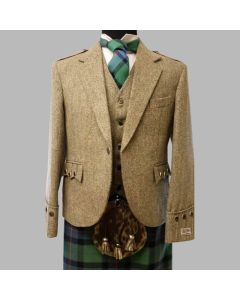
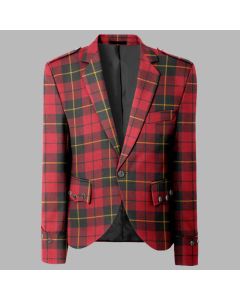
For a complete outfit breakdown including jackets and footwear, see What to Wear at a Kilt Wedding in 2026.
Kilts for Men – Casual vs Formal Wear
Casual Kilts
- Lightweight materials
- Minimal accessories
- Relaxed styling
- Focus on comfort and mobility
Formal Kilts
- Structured construction
- Traditional patterns
- Full accessory pairing
- Suitable for ceremonies and special events
Casual kilts emphasize practicality, while formal kilts emphasize tradition and presentation.
Essential Accessories for Kilts for Men
Core Accessories
A minimal accessory setup creates a casual appearance, while a full accessory combination produces a formal presentation.
Choosing the Right Fabric
Fabric plays a key role in comfort, durability, and overall appearance.
Common Kilt Materials
Wool
Traditional, structured, and suitable for formal wear.
Cotton
Lightweight, breathable, and ideal for casual use.
Leather
Bold, durable, and modern in appearance.
Blended Fabrics
Balance structure with comfort and are increasingly popular in contemporary kilts.
Fabric Selection Tips
Choose based on:
- Climate conditions
- Intended occasion
- Comfort preference
- Maintenance needs
Modern trends emphasize lighter materials and hybrid constructions that offer both tradition and practicality.
FAQs
- How tight should a kilt fit?
- It should fit snugly at the natural waist without restricting movement.
- Can kilts be worn casually?
- Yes. Casual and utility kilts are designed for everyday wear.
- What is the correct kilt length?
- The hem should fall at the middle of the kneecap.
- Are kilts comfortable for long wear?
- With proper sizing and fabric choice, kilts remain comfortable for extended periods.
- Do all kilts require full accessories?
- No. Accessories depend on the occasion and personal preference.
- How do I know if a kilt is good quality?
- Look for strong stitching, durable fabric, proper pleating, and a structured fit.
- Can I wear a kilt without traditional accessories?
- Yes. Casual styling often uses minimal accessories for a relaxed appearance.
- What should I avoid when buying my first kilt?
- Avoid incorrect sizing, ignoring fabric weight, and choosing a style that doesn’t match the occasion.
- How do I maintain a kilt properly?
- Follow fabric care instructions, store properly, and avoid excessive folding to preserve structure.
Related Products