 Shop Now
How to Choose the Right Tartan for Your Wedding

Kilt weddings are becoming one of the most stylish and meaningful wedding trends worldwide. More couples are choosing tartan kilts to bring tradition, elegance, and personality into their big day. A wedding tartan is not just fabric; it represents heritage, identity, and timeless romance. Whether you want a classic Scottish look or a modern Highland style, choosing the right tartan for your wedding sets the tone for your entire kilt wedding outfit.
With so many tartan patterns available, selecting the perfect one can feel overwhelming. This guide will help you choose the ideal wedding tartan while showcasing the best kilt wedding outfits for grooms and groomsmen.


How to Choose the Right Tartan
When selecting your wedding tartan, focus on these key factors:
Size
Make sure your kilt is measured professionally. A perfect fit enhances comfort and gives a sharp, regal appearance. A poorly sized kilt can ruin the entire groom’s look.
Fit
Your kilt should sit comfortably at the natural waist, not the hips. It must allow movement while maintaining structure for a formal wedding look.
Fabric
- Wool kilts: Best for formal and traditional weddings
- Poly-viscose kilts: Affordable and lightweight option
- Heavyweight wool: Ideal for winter kilt weddings
- Lightweight tartan: Best for summer weddings
Tartan Selection
- Choose clan tartans if you value heritage
- Universal tartans work well if you don’t have Scottish ancestry
- Match tartan colors with your wedding theme
More Product Recommendations
Matching groomsmen kilts create a uniform and visually stunning wedding party style.
Groom Wedding Package
Groomsmen Matching Tartans
- Coordinated tartans for a unified look
- Creates stunning wedding party visuals
- Affordable group packages available
Luxury Wedding Accessories
How to Style Your Tartan for a Perfect Kilt Wedding Look
Styling your tartan correctly is what transforms a simple kilt into a royal wedding outfit. The right combination of jacket, accessories, and footwear creates a balanced, elegant, and unforgettable groom appearance.
- Start with the Right Tartan: Choose a tartan that reflects your heritage, wedding theme, and color palette, as it will be the centerpiece of your kilt wedding outfit.
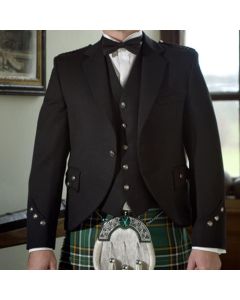
- Pick the Perfect Jacket & Sporran: Match your jacket to the formality of your wedding (Prince Charlie for formal, Argyll for semi-formal) and pair it with a dress or leather sporran.
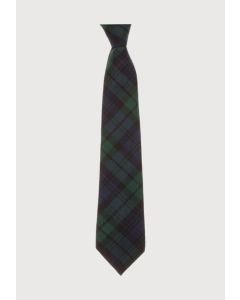
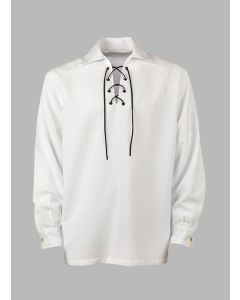
- Style with Shirt, Tie & Waistcoat: Wear a crisp white shirt and add a tartan tie or bow tie with a waistcoat to enhance the elegance of your groom kilt outfit.
- Complete with Hose, Flashes & Footwear: Use quality kilt hose, coordinated flashes, and traditional ghillie brogues to achieve an authentic Highland look.
- Finish with Traditional Accessories: Add a kilt pin, sgian-dubh, and optional fly plaid or headwear for a powerful and polished kilt wedding appearance.
Choosing the Right Style for Your Kilt Wedding
A quick guide to picking the perfect jacket, kilt, and accessories to match your wedding’s formality and theme.
1. Prince Charlie Jacket vs Argyll Jacket
Prince Charlie Jacket
Pros:
- Most formal and traditional option
- Creates a royal and elegant groom look
- Perfect for evening and luxury weddings
Cons:
- Less versatile for casual settings
- Can feel heavy for summer weddings
When to Wear:
- Black-tie kilt weddings
- Evening receptions
- Grand indoor ceremonies
Argyll Jacket
Pros:
- Versatile and modern
- Works for both formal and semi-formal weddings
- More comfortable and lightweight
Cons:
- Slightly less formal than Prince Charlie
- Less dramatic appearance
When to Wear:
- Daytime weddings
- Outdoor ceremonies
- Semi-formal kilt weddings
2. Dress Sporran vs Leather Sporran
Dress Sporran
Pros:
- Adds luxury and tradition
- Ideal for formal ceremonies
Cons:
- Less practical for daily movement
When to Wear:
- Formal weddings
- Evening receptions
Leather Sporran
Pros:
- Comfortable and durable
- More casual and practical
Cons:
- Less decorative
When to Wear:
- Outdoor weddings
- Daytime or rustic ceremonies
3. Heavyweight Kilt vs Lightweight Kilt
Heavyweight Kilt
Pros:
- Rich drape and premium feel
- Ideal for traditional weddings
Cons:
- Can be warm in summer
When to Wear:
- Winter weddings
- Formal indoor events
Lightweight Kilt
Pros:
- Breathable and comfortable
- Easier to move in
Cons:
- Slightly less formal appearance
When to Wear:
- Summer weddings
- Beach or garden ceremonies
4. Bow Tie vs Neck Tie
Tartan Bow Tie
Pros:
- Stylish and traditional
- Great for formal looks
Cons:
- Less flexible in styling
When to Wear:
- Formal kilt weddings
- Black-tie events
Tartan Neck Tie
Pros:
- More versatile
- Works for both classic and modern styles
Cons:
- Less ceremonial
When to Wear:
- Semi-formal weddings
- Daytime ceremonies
5. Fly Plaid vs No Fly Plaid
Fly Plaid
Pros:
- Adds grandeur and Highland tradition
- Makes the groom stand out
Cons:
- Extra weight and cost
When to Wear:
- Formal weddings
- Traditional Scottish ceremonies
No Fly Plaid
Pros:
- Clean and modern look
- More comfortable
Cons:
- Less traditional
When to Wear:
- Contemporary kilt weddings
- Minimalist styles
Make Your Kilt Wedding Unforgettable
Elevate your wedding day with the perfect kilt outfit that blends tradition, style, and personality. From choosing the ideal tartan to selecting the right jacket, sporran, and accessories, every detail matters in creating a memorable groom look. Don’t wait explore our curated collection of premium kilt wedding outfits, complete with matching groomsmen sets and essential accessories, and make your Highland wedding dreams come true. Shop now and step into your big day with confidence, style, and Scottish elegance!
January 14, 2026
|
View: 158
|
Categories: Kilt Outfits, Men’s Kilts, Utility Kilts, Wedding Kilts, Kilt Sporrans, Leather Kilts, Tartan Kilts, Modern Kilts
| Tags: Kilt Wedding, Wedding Tartan, Groom Kilt Outfit, Scottish Wedding Attire, Tartan Wedding Guide
Related Posts
Kilts for Women in 2026: Styles, Trends, and How to Wear Them
December 30, 2025| Posted in Kilts for Women, Kilt Outfits, Utility Kilts, Leather Kilts, Tartan Kilts, Modern Kilts, Denim Kilts| 756

How Much Should a Quality Kilt Sporran Cost? Price Breakdown
December 31, 2025| Posted in Utility kilts, Kilt Outfits, Men’s Kilts, Wedding Kilts, Kilt Sporrans, Leather Kilts, Tartan Kilts, Modern Kilts| 668
Affordable Utility Kilts Under £100
January 2, 2026| Posted in Utility kilts, Men’s Kilts, Scottish Kilts, Tartan Kilts, Modern Kilts| 415
Prince Charlie vs Argyll Kilt Jacket: Which One Should You Buy?
January 7, 2026| Posted in Kilt Outfits, Kilt Jackets, Men’s Kilts, Utility Kilts, Wedding Kilts, Leather Kilts, Tartan Kilts, Modern Kilts| 390
Related Products




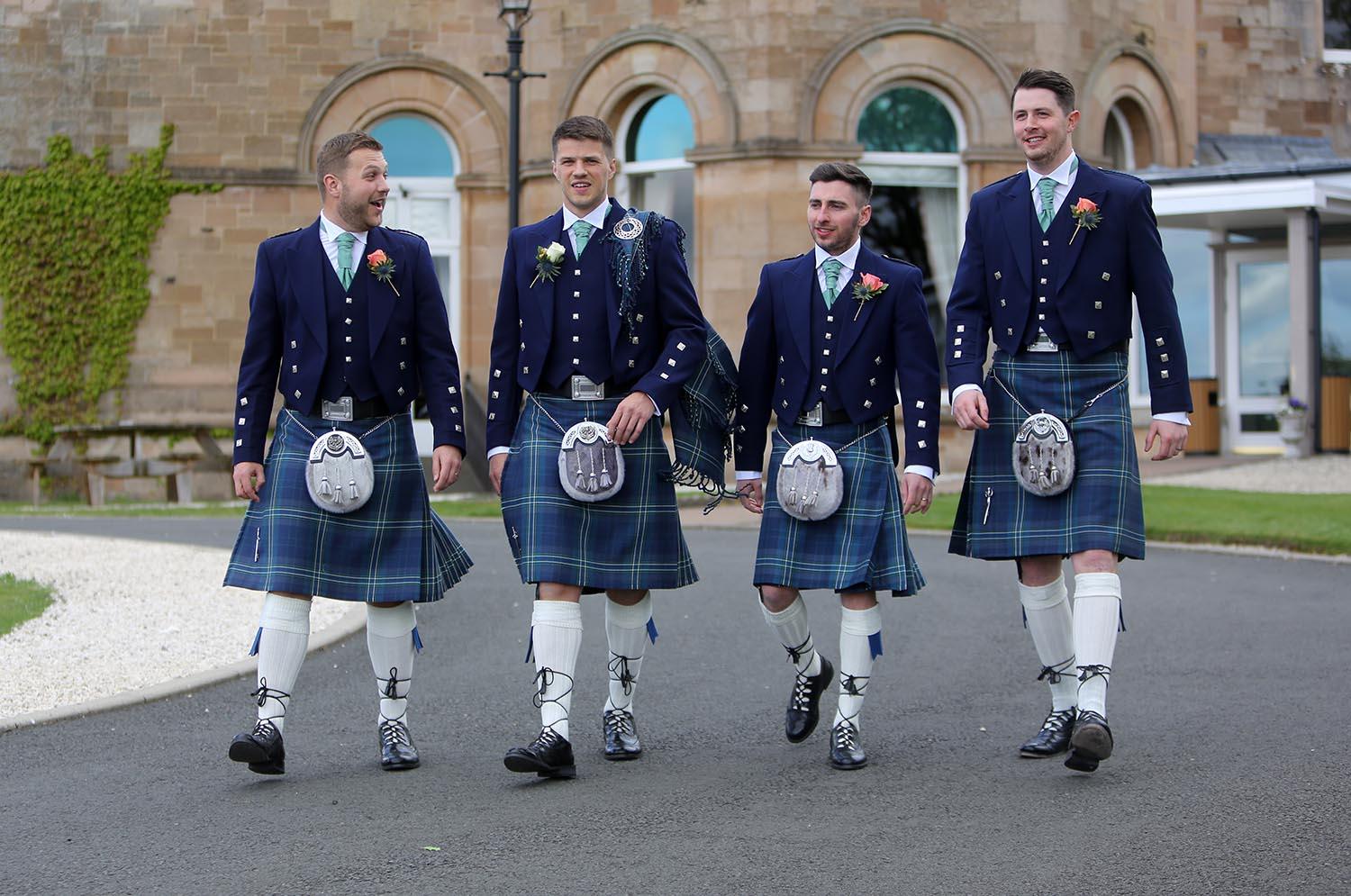
Do Irish Wear Kilts at Weddings?
August 16, 2023
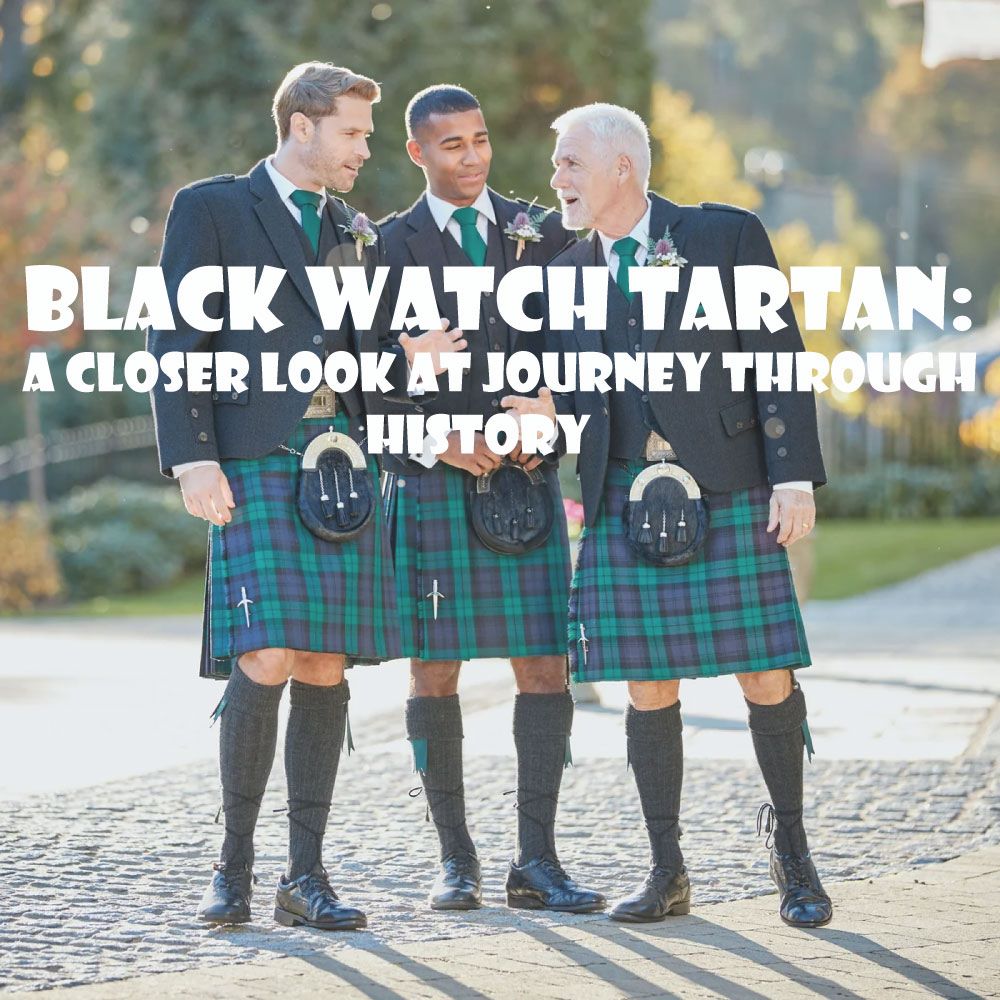
Black Watch Tartan: A Closer Look at Journey Through History
August 2, 2023

Best Kilt Outfit for Wedding (Groom, Guest & Styling Guide 2026)
December 13, 2025
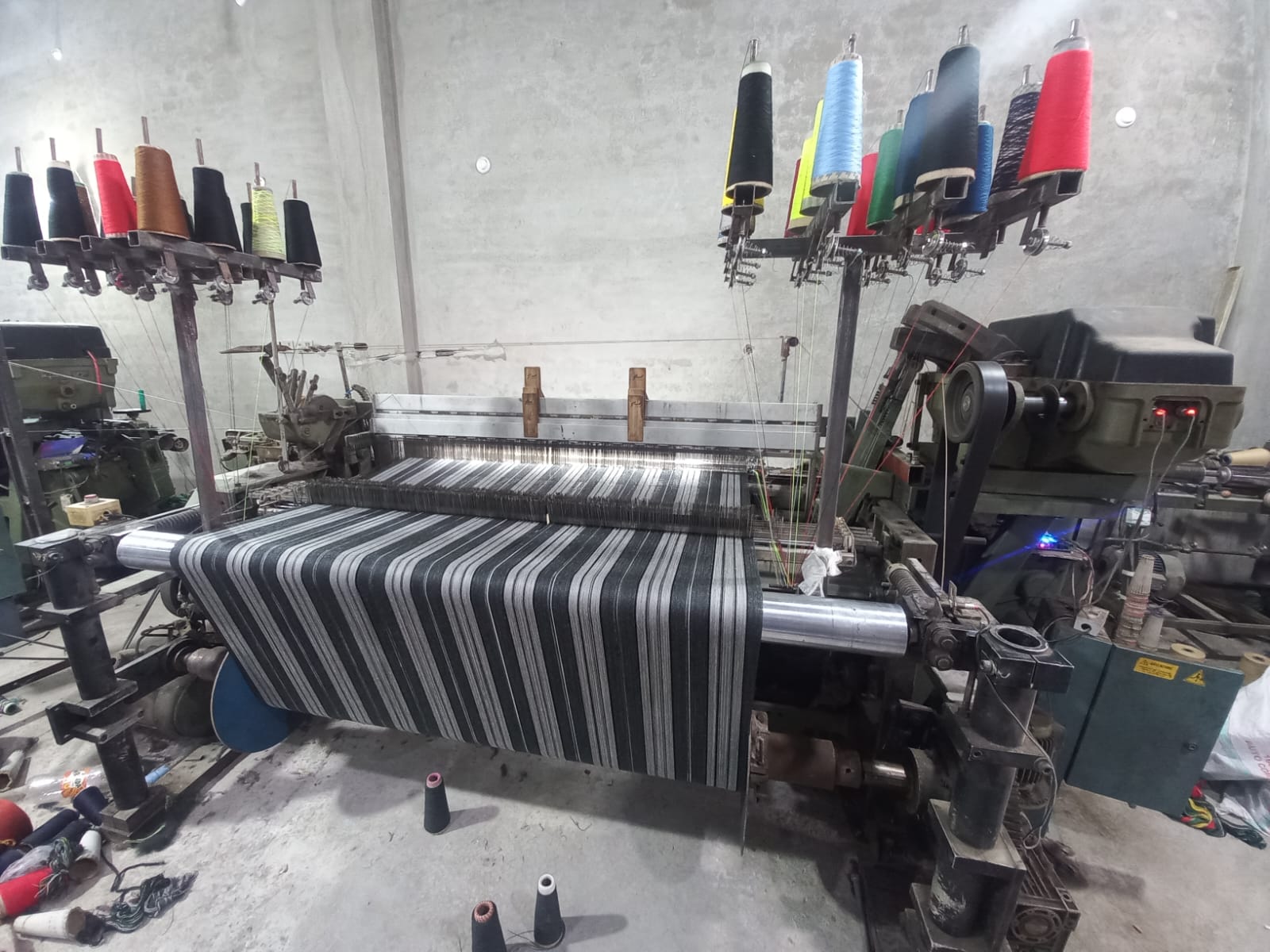
Crafting Tartans Like No Other: Our Brand's Own Weaving Mill
September 25, 2023

Kilts for Wedding - Scotland
June 5, 2026


