Utility Kilt vs Traditional Kilt: Key Differences Explained


Kilts are one of the most recognisable garments associated with Scotland and its rich cultural heritage. When comparing utility kilt vs traditional kilt, it becomes clear that while both share the same iconic silhouette, they serve different purposes in modern fashion and cultural tradition. For centuries, the traditional kilt has been worn as a symbol of Scottish identity, commonly seen at weddings, Highland gatherings, and ceremonial occasions across the United Kingdom.
In recent years, however, a modern alternative has gained popularity the utility kilt. Designed with practicality in mind, utility kilts combine the classic kilt style with modern materials, cargo pockets, and functional features that make them suitable for everyday wear and outdoor activities.
If you're considering wearing a kilt or adding one to your wardrobe, understanding the utility kilt vs traditional kilt comparison can help you choose the right option. Each style serves a different purpose, and knowing when and where to wear them ensures you pick the most appropriate kilt for the occasion.
In this guide, we’ll explore the key differences between these two kilt styles, including their materials, design features, comfort levels, and the occasions where each is most commonly worn.
What Is a Traditional Kilt?
A traditional kilt is a knee-length garment that originated in the Scottish Highlands during the 16th century. Historically, it evolved from the “great kilt,” a larger garment that could be wrapped around the body and used as both clothing and bedding.
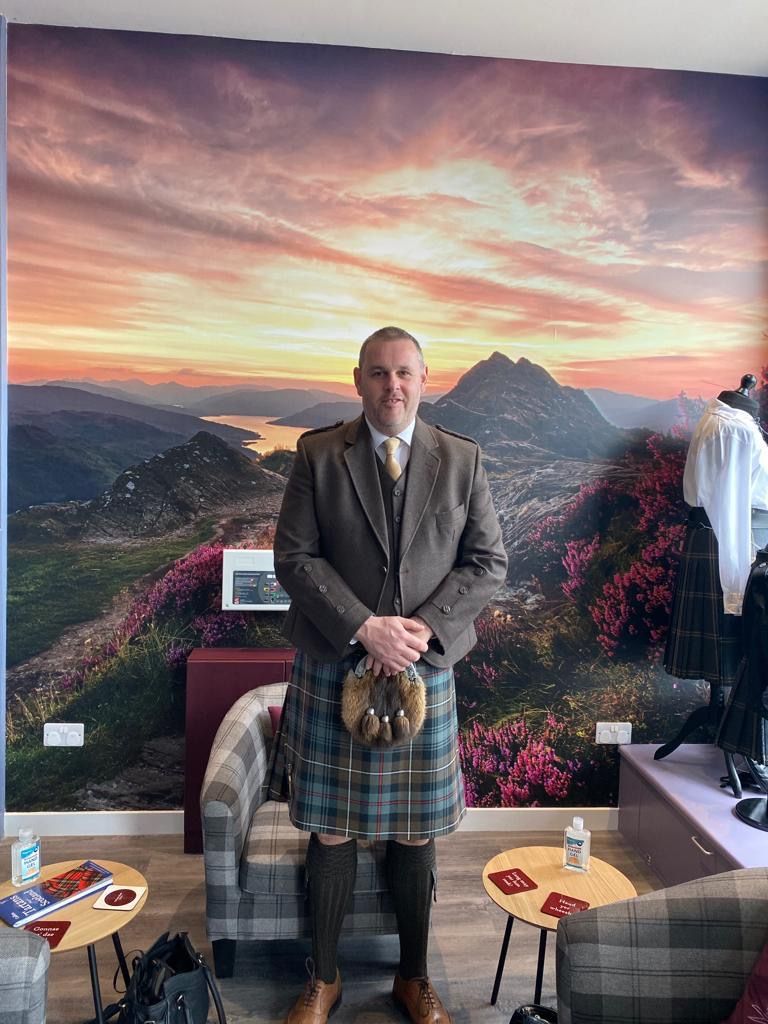
Modern traditional kilts are usually made from woven wool tartan, a patterned fabric associated with Scottish clans, regions, or families. The tartan design is not only decorative but also represents cultural heritage and identity.
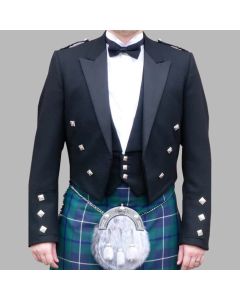
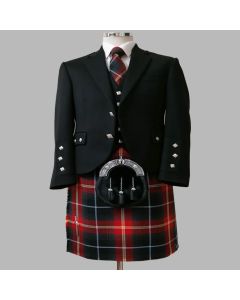
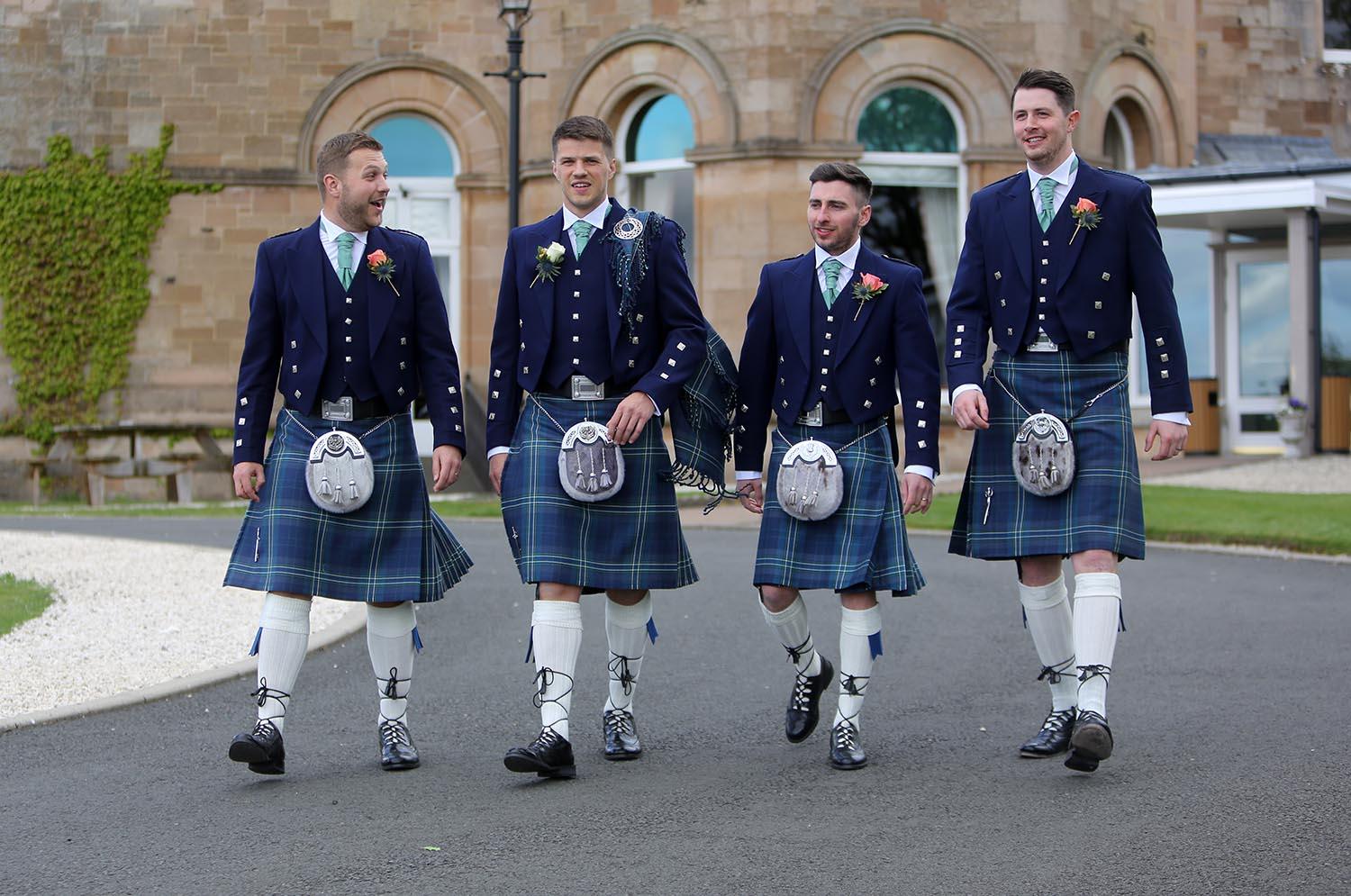
Traditional kilts are typically worn as part of full Highland dress, which includes several accessories that complete the outfit.
Key Features of Traditional Kilts
- Made from heavy wool tartan
- Pleated at the back for structure
- Fastened with buckles or leather straps
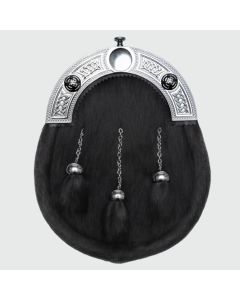
- Worn with accessories such as a Sporran, kilt pin and Kilt Pins
- Designed for ceremonial or cultural use
When Traditional Kilts Are Worn in the UK
Traditional kilts remain an important part of Scottish culture and are commonly worn at formal occasions across the UK, including:
- Scottish weddings
- Burns Night celebrations
- Highland Games festivals
- Traditional ceilidhs
- Formal cultural events
Because of their cultural significance and craftsmanship, traditional kilts are generally worn during special occasions rather than everyday activities.
What Is a Utility Kilt?
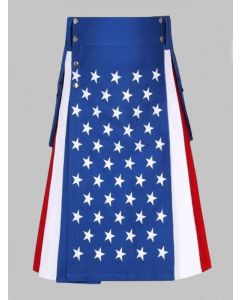
A utility kilt is a modern adaptation of the traditional kilt, created to offer greater practicality and comfort for daily wear. Unlike traditional kilts, utility kilts prioritise function and durability over ceremonial appearance.
Utility kilts are usually made from strong, lightweight materials such as cotton, canvas, denim, or leather. These fabrics make them more comfortable for active use, especially in outdoor environments.
Originally popularised in the late 20th century as an alternative to trousers, utility kilts quickly gained popularity at festivals, outdoor events, and among people who appreciate functional fashion.
Key Features of Utility Kilts
Utility kilts often include practical design elements such as:
- Large cargo pockets for carrying personal items
- Adjustable straps or buckles for a flexible fit
- D-rings and loops for attaching tools or accessories
- Durable stitching designed for active use
Because of these features, utility kilts are often worn for casual activities, outdoor events, and modern fashion styles.
Utility Kilt vs Traditional Kilt: Key Differences
Although both garments share a similar structure, their design, purpose, and materials differ significantly.
|
Feature |
Utility Kilt |
Traditional Kilt |
|
Fabric |
Cotton, canvas, denim, leather |
Wool tartan |
|
Purpose |
Casual wear and outdoor activities |
Cultural and ceremonial occasions |
|
Pockets |
Built-in cargo pockets |
No pockets (sporran used instead) |
|
Accessories |
Optional |
Traditional Highland accessories |
|
Style |
Modern and functional |
Historic and heritage-focused |
In simple terms, traditional kilts represent Scottish heritage, while utility kilts offer a modern, practical alternative.
Materials Used in Each Type of Kilt
The materials used in a kilt significantly affect its durability, comfort, and overall appearance.
Materials Used in Traditional Kilts
Traditional kilts are almost always made from wool tartan fabric. Wool is chosen because it:
- Holds pleats well
- Provides durability
- Maintains a formal structure
High-quality tartan kilts are often carefully tailored, making them long-lasting garments that can be worn for many years.
Materials Used in Utility Kilts
Utility kilts use modern fabrics designed for comfort and practicality.
Common materials include:
Cotton
Lightweight and breathable, making it suitable for warm weather and casual wear.
Canvas
A thicker fabric known for durability, often used in workwear and outdoor clothing.
Denim
Strong and stylish, giving utility kilts a casual appearance similar to jeans.
Leather
Often used in fashion-focused designs for a bold and distinctive look.
These materials allow utility kilts to be worn more frequently and in a wider variety of settings.
When Should You Wear Each Type of Kilt?
Choosing between a utility kilt and a traditional kilt usually depends on the occasion.
Traditional Kilts
Traditional kilts are most appropriate for formal or cultural events such as:
- Scottish weddings
- Highland Games competitions
- Burns Night dinners
- Formal Scottish gatherings
During these events, the kilt is typically paired with traditional Highland accessories and jackets.
Utility Kilts
Utility kilts are better suited for casual environments, including:
- UK music festivals
- Outdoor gatherings and camping trips
- Casual social events
- Everyday fashion
Their practical features make them a comfortable and versatile option for modern lifestyles.
Comfort and Practicality
One of the main reasons people choose utility kilts is the comfort they offer compared to traditional clothing.
Advantages of Utility Kilts
- Greater freedom of movement
- Breathable fabrics suitable for warm weather
- Functional pockets for everyday items
- Easier maintenance and cleaning
Advantages of Traditional Kilts
Traditional kilts offer benefits that utility kilts cannot replicate, including:
- Cultural authenticity
- Formal elegance
- Historic significance within Scottish heritage
For this reason, many kilt enthusiasts own both styles for different occasions.
Recommended Utility Kilts for Modern Wear


Frequently Asked Questions
Are utility kilts considered traditional Scottish kilts?
No. Utility kilts are modern garments inspired by traditional kilts but designed primarily for practicality and casual wear.
Do traditional kilts have pockets?
Traditional kilts do not include pockets. Instead, wearers typically carry items in a sporran, a pouch worn at the front.
Can a utility kilt be worn to formal events?
Utility kilts are generally considered casual clothing. For formal occasions such as weddings or cultural ceremonies, a traditional tartan kilt is usually preferred.
Which kilt is more comfortable for everyday use?
Utility kilts are often more comfortable for everyday wear because they use breathable fabrics and include practical storage pockets.
Final Thoughts
Both utility kilts and traditional kilts offer unique advantages. Traditional kilts preserve the rich cultural heritage of Scotland and remain an essential part of formal Highland dress. Utility kilts, on the other hand, provide a modern and practical option for people who appreciate the kilt style but want added functionality.
Choosing the right kilt depends on your lifestyle, personal style, and the occasions where you plan to wear it. Whether you prefer the heritage appeal of tartan or the practicality of modern design, kilts continue to be a distinctive and versatile garment.
Explore Our Utility Kilt Collection
If you’re looking for a stylish and functional kilt designed for modern wear, explore our collection of high-quality utility kilts built for comfort, durability, and everyday use.
Whether you’re attending a festival, outdoor event, or simply want a comfortable alternative to trousers, a well-designed utility kilt offers the perfect combination of traditional inspiration and modern practicality.
Related Products